
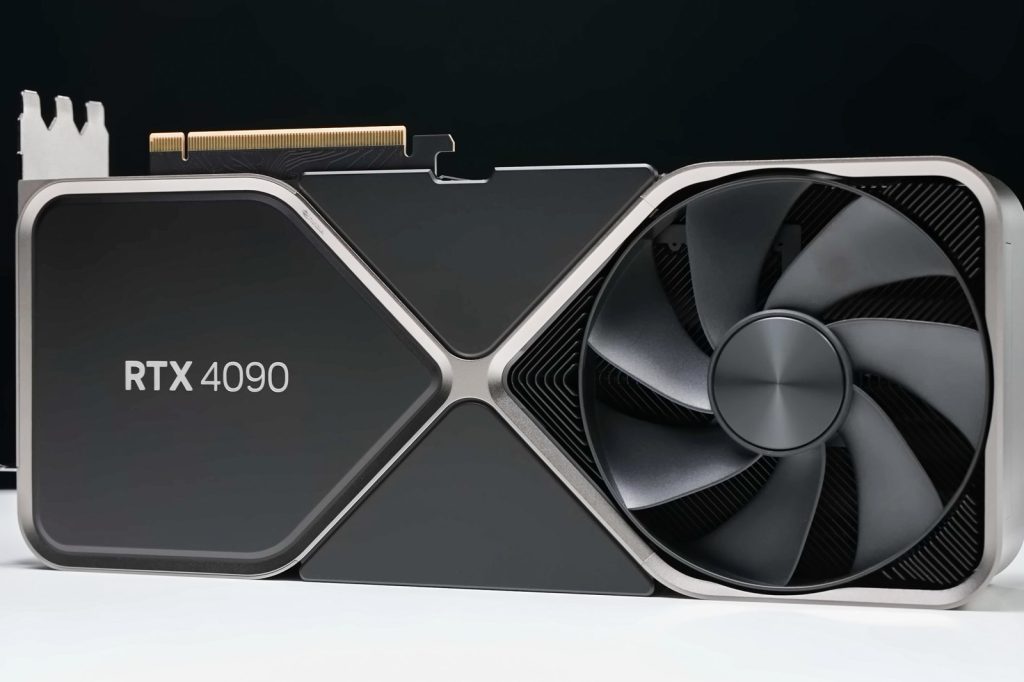
MANILA — For years, the promise of open-weight AI has run into a simple, stubborn fact: most people do not own a data center. A developer in a provincial capital, a student in a dorm room, a small business owner working from a spare bedroom — they have a laptop, maybe a desktop with a single graphics card. They do not have a cloud budget.
The gap between what the models can do and what the hardware can run has been the real barrier, not the code itself. A new ranking published today tries to close that gap.
It is a list of 21 open-weight large language models. But the headline number is not what matters here. What matters is the filter.
Users can select the GPU they actually own — not the one they dream about — and see only the models that will run on it. The list is described by its creator as “opinionated.” That is a careful word.
It means someone made choices. It means the list does not pretend to be an objective, machine-generated spreadsheet. It is a curated view, shaped by experience and judgement, aimed at helping people pick something that works.
This is not a small problem. The open-weight landscape has exploded. Hundreds of models exist, each with different sizes, different memory requirements, different performance profiles.
For someone with a mid-range consumer GPU, sorting through that mess is a full-time job. Most people do not have the time.
They just want to build something. The ranking turns a bewildering array into a manageable shortlist. It matches models to the hardware people have, not the hardware they wish they had.
The implications for communities across Asia are concrete. When a model runs on a local machine, data does not have to travel to a distant server.
That cuts costs. It speeds up response times. It gives the user control over privacy.
These are not abstract benefits. For a family-run business handling customer information, or a local health clinic processing sensitive records, keeping data on-premises is a practical necessity. Sending it to a cloud provider is expensive and risky.
A model that fits on a single GPU changes the equation entirely. The ranking covers 21 models in total.
The source material does not name which ones made the cut. That is a deliberate omission, or at least a practical one: the list is meant to be used, not just read. The filtering mechanism is the point.
Select your GPU, see your options. That simplicity is what makes the tool useful for the average user, not just the specialist.
Open-weight models have already lowered the barrier to entry into AI development. But lowering the barrier does not help if people cannot find the door. Knowing which model to pick has remained a real hurdle, especially for those without deep technical expertise or a support team.
This ranking tries to solve that by focusing on the one constraint that matters most at the start: what hardware you have. It is a shift in who gets to participate. Not everyone can afford a rack of A100s.
But many people have a single decent GPU. This list is for them.
The tool lands at a moment when the conversation around AI is often dominated by the largest models, the biggest companies, the most expensive infrastructure. That conversation misses a quieter, more widespread reality: most useful AI work happens on modest hardware, in small teams, for local problems. This ranking speaks directly to that reality.
It is not the final word. It is a practical starting point, built for the hardware people actually own.
{“@context”: “https://schema.org”, “@type”: “NewsArticle”, “headline”: “New ranking assesses open-weight LLMs based on single GPU hardware requirements”, “description”: “MANILA — For years, the promise of open-weight AI has run into a simple, stubborn fact: most people do not own a data center. A…”, “datePublished”: “2026-06-24T09:37:00+00:00T09:30:00+00:00”, “author”: {“@type”: “Person”, “name”: “Ariel Antonio”}, “publisher”: {“@type”: “Organization”, “name”: “InfoPulse Today”, “url”: “https://newsfeed.infopulsetoday.com/”}}




