
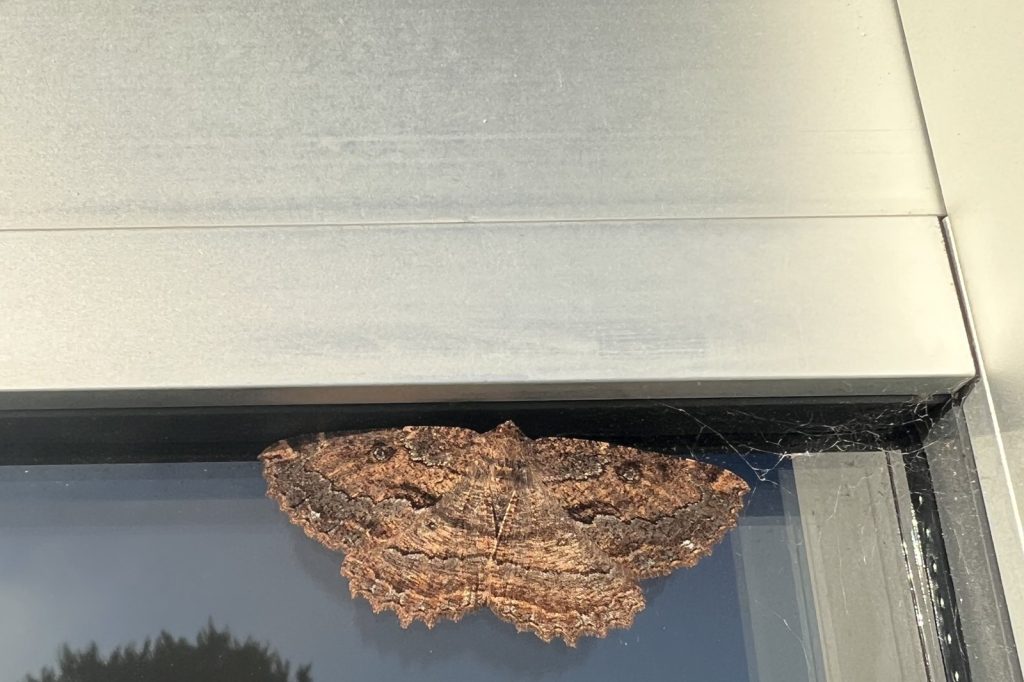
ITHACA, N.Y., July 21 — A quiet but growing crisis is brewing inside some of the world’s largest biodiversity databases, and it has nothing to do with climate change or habitat loss. It is a data-integrity problem, and it is being driven by AI-generated images slipping into collections that scientists, conservation groups, and governments rely on to make decisions worth millions of dollars. The numbers so far are small but worrying.
A 2023 analysis found 340 suspect images in iNaturalist alone, representing about 0.0003% of its 100 million observations. At eBird, which holds more than 1 billion records, a 2024 study found that fewer than 0.001% of photos uploaded in 2023 exhibited AI artifacts.
That sounds tiny — but the practical upshot is that detection is extremely difficult, so the true count is almost certainly higher. The Global Biodiversity Information Facility (GBIF), which aggregates data from thousands of sources, cannot easily track provenance at all. A 2024 report warned that AI contamination is a growing risk.
Think of it like a telephone game played across the internet. Each time a picture of a rare bird or a never-before-documented plant gets processed, stored, and re-shared, it can acquire small visual glitches — subtle artifacts left behind by generative AI.
Most people would not notice them. But when that image ends up informing a species assessment or a conservation funding decision, the stakes change. The combined databases from iNaturalist, eBird, and GBIF hold more than 3.1 billion records.
If even 0.01% are fake, that means 310,000 potentially fraudulent records poisoning the well. In plain terms, data integrity means ensuring information stays accurate and consistent from the moment it is recorded to the moment it is retrieved. It is the opposite of data corruption — whether that corruption comes from a hardware glitch, a human typing error, or an AI-generated image that was never a real observation.
Physical integrity relies on things like error-correcting memory and file systems that run cryptographic checksums to catch silent data corruption. But logical integrity — making sure the data actually makes sense — is where these AI forgeries pose a challenge.
Traditional validation checks were not built to spot a pixel-level anomaly in a bird photo; they expect bad wiring or a mistyped number, not a convincing fake. The consequences are already real. The IUCN Red List assessment process costs roughly $5,000 per species.
A misidentified image could force an unnecessary re-assessment, wasting conservation dollars that are already scarce. Worse, a real sighting might be dismissed because its photo looks just a little too perfect, or a species might be misclassified as more or less common than it actually is.
For a world that depends on accurate biodiversity data to set policy and protect endangered animals, this is not a hypothetical — it is a growing threat that the scientific community is only beginning to grapple with.
Sources
{“@context”: “https://schema.org”, “@type”: “NewsArticle”, “headline”: “AI Image Contamination in Species Databases Reaches Alarming Scale”, “description”: “ITHACA, N.Y., July 21 — A quiet but growing crisis is brewing inside some of the world’s largest biodiversity databases, and it has nothing to…”, “datePublished”: “2026-07-21T09:30:00+00:00”, “author”: {“@type”: “Person”, “name”: “Erika Johnson”}, “publisher”: {“@type”: “Organization”, “name”: “InfoPulse Today”, “url”: “https://newsfeed.infopulsetoday.com/”}, “citation”: [{“@type”: “CreativeWork”, “url”: “https://en.wikipedia.org/wiki/Data_integrity”}]}




