
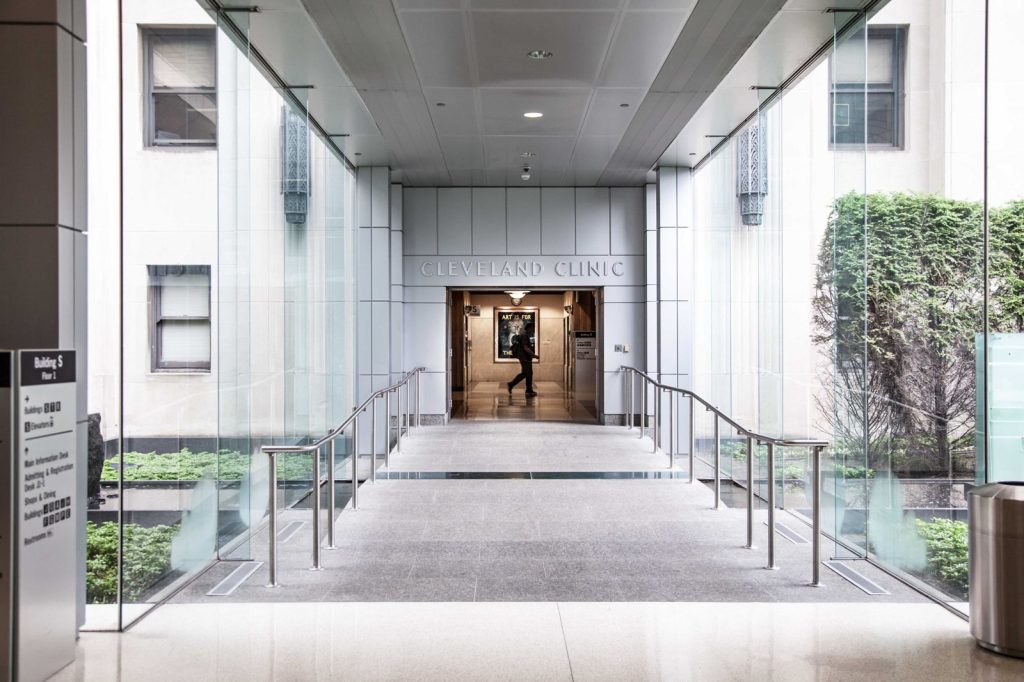
CLEVELAND, September 12 — Cleveland Clinic and Luminai will co-develop and deploy AI automation across the health system’s administrative workflows, the two organizations announced Wednesday, September 9. The partnership is aimed squarely at the paperwork that piles up behind patient care, starting with the referrals that arrive from outside providers. Here’s what it means in plain terms.
Rather than dropping a standardized software package into Cleveland Clinic’s systems and walking away, Luminai’s engineers will work shoulder to shoulder with the health system’s clinical and operational staff to build and deploy the workflows. Think of it like a tailor measuring a suit rather than selling one off the rack — the configuration is meant to fit the way Cleveland Clinic actually operates.
The first priority area is external referral processing. Luminai’s platform identifies incoming referrals, understands the clinical context, matches the type, and transcribes documents into electronic medical records for follow-up, according to the company. Rohit Chandra, Ph.D., Cleveland Clinic’s chief digital officer, framed the effort around that fit.
“Automation only delivers value when it reflects the realities of clinical and operational work,” Chandra said in a statement. “Our collaboration with Luminai allows us to apply AI in ways that meaningfully support our teams by reducing administrative burden and improving patient satisfaction.”
A busy week across health AI
The Cleveland Clinic news landed in a week thick with health-AI announcements, as reported by Fierce Healthcare in its weekly rundown for September 7 to 11. Apple used the same Wednesday to expand its health and fitness capabilities, introducing new offerings from Apple Watch Series 12 and Apple Watch Ultra 4.
The watches carry a Health Sensing System that Apple says enables the most accurate heart rate sensing in a wearable, plus a readiness capability that analyzes biometrics — recent activity and sleep score among them — to produce a daily score ranked zero through 10.
Sumbul Desai, M.D., Apple’s vice president of Health and Fitness, said the combination of breakthrough sensing on Apple Watch with Apple Intelligence in the Health app lets the company “translate complex biometric data into clear guidance for users.” She added that this helps people navigate day-to-day routines and connects those moments with deeper context around longevity. Apple also announced lab services: through the Health app, users can schedule and purchase new labs featuring more than 50 key biomarkers for $119 at approximately 2,000 Quest Diagnostics locations nationwide.
Suki, which makes an ambient clinical intelligence platform, announced Thursday, September 10, an industry-wide scientific research initiative aimed at generating research and clinical evidence to advance healthcare AI. The initiative, called Science at Sukii, coincides with the new Suki Research Collaborative, a research network of health systems and academic institutions that plans to study AI’s implementation, workflow optimization, specialty care and more.
SRC Chair Sudha Jayaraman, M.D., said in a statement that the future of ambient clinical intelligence “won’t be defined solely” by technological breakthroughs, but by “the quality of the evidence behind them.” Bringing together clinicians, researchers, engineers and health systems to generate objective evidence, she added, helps organizations adopt ambient clinical intelligence with confidence.
Washington and Mayo Clinic weigh in
The federal government made its own move Tuesday, September 8, when the U.S. Department of Health and Human Services announced new FDA leadership appointments, including the first Deputy Commissioner for Technology and Artificial Intelligence. Jared Seehafer was selected for the role and will serve as the agency’s leader on technology, software and AI, establishing agency-wide strategies and priorities in those areas. Seehafer brings two decades of technical and leadership experience.
According to a September 8 press release, the appointment underscores the current administration’s commitment to accelerating reliable AI innovation, modernizing federal technology, and ensuring an effective regulatory framework for emerging technologies. Rainfall Health, an AI-powered compliance and reimbursement platform, announced Wednesday, September 9, that it will be implemented across a Mayo Clinic facility to support care coordination and compliance tied to the U.S. Centers for Medicare and Medicaid Services’ Transforming Episode Accountability Model, known as TEAM.
CMS selected 721 hospitals for the first cohort of TEAM, a mandatory payment model dedicated to improving quality and coordination of care; TEAM launched January 1. Rainfall’s platform allows organizations to coordinate care, monitor patient progress and automate workflows associated with value-based care models, and will support post-acute care coordination and quality reporting for participating patients, the organizations say.
The practical upshot for patients is that the administrative machinery behind their care is becoming the target of automation, from the referral that gets a specialist visit scheduled to the compliance paperwork that determines whether a hospital gets paid. What to watch next: whether Cleveland Clinic’s referral-processing buildout delivers measurable relief for its staff, and how the FDA’s new technology office shapes the rules the rest of the field will have to follow.




