
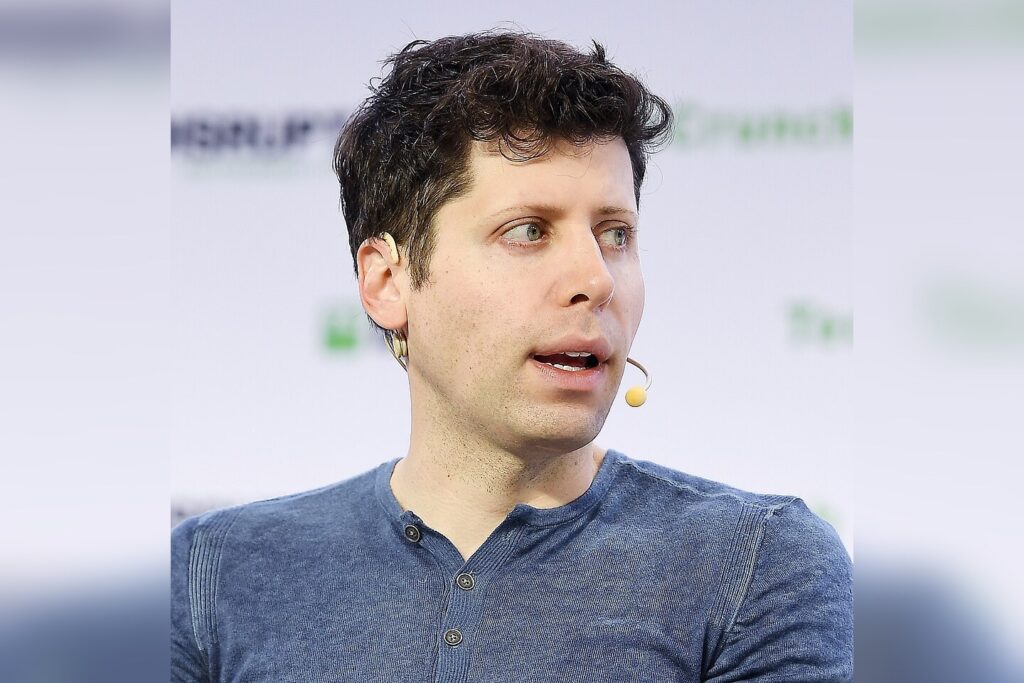
The G7 summit in Japan this week was not just another diplomatic photo op. It was where the future of artificial intelligence governance got a reality check from the man building the technology itself. OpenAI chief Sam Altman stood before world leaders and told them something they may not have wanted to hear: the debate over whether AI is useful is finished.
More powerful systems are coming, he said, and they will reshape the global economy and scientific discovery. That is not a prediction.
It is a statement of intent from the company behind ChatGPT. Altman’s message was blunt. He told the summit that AI labs like his own build the tech, but they should not write the rules for its use.
“Do not cede your responsibilities to AI labs like mine,” he said. That line matters.
It is a direct challenge to governments that have been slow to act, hesitant to regulate, or unsure how to even begin. The context here is critical. For years, tech companies have operated in a regulatory vacuum.
Social media platforms wrote their own content policies. Ride-hailing apps ignored local taxi laws. Cryptocurrency firms exploited jurisdictional gaps.
Now AI is following the same playbook — but the stakes are different. AI is not a photo-sharing app.
It is a technology that could reshape how people work, learn, and make decisions about their families and communities. Altman’s remarks at the G7 represent a shift. A major AI developer is publicly telling governments to step up.
He is saying that democratic institutions — not corporate boardrooms — should decide how AI is integrated into daily life. That is a striking position for a CEO to take.
It acknowledges that the technology his company builds carries consequences that no single company should control. The timing is no accident. AI development is accelerating.
More powerful systems are expected in the coming years. Governments are still catching up. The European Union is working on an AI Act.
The United States has held hearings. But no binding international framework exists.
The G7 summit was a chance to start that conversation at the highest level. What this means for ordinary people is straightforward. AI will affect how they work, how they access information, and how public services are delivered.
If the rules are left to companies, the priorities will be profit and speed. If democratic institutions set the rules, the priorities can be community well-being and accountability.
Altman himself made that distinction clear. He did not say his company would stop developing AI. He did not call for a moratorium.
He said the technology will emerge. The question is who controls its use. That is a question for governments, not engineers.
The G7 summit did not produce a binding treaty or a global regulator. It produced a statement from a tech executive telling politicians to do their jobs.
That is a starting point. Whether governments take that responsibility seriously is the open question. The technology is not waiting for an answer.
{“@context”: “https://schema.org”, “@type”: “NewsArticle”, “headline”: “Sam Altman tells G7 leaders AI’s economic impact is certain, not speculative”, “description”: “The G7 summit in Japan this week was not just another diplomatic photo op. It was where the future of artificial intelligence governance got a…”, “datePublished”: “2026-06-20T09:48:00+00:00T09:30:00+00:00”, “author”: {“@type”: “Person”, “name”: “James Roberto”}, “publisher”: {“@type”: “Organization”, “name”: “InfoPulse Today”, “url”: “https://newsfeed.infopulsetoday.com/”}}




