
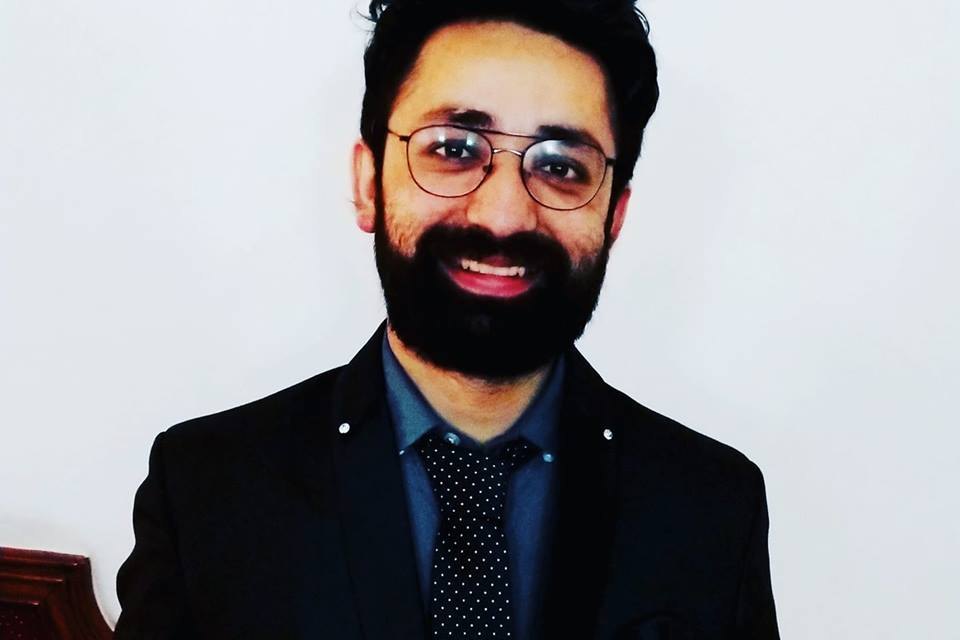
For nearly a decade, Prabhjeet Singh worked inside Uber’s global expansion machine. He helped the ride-hailing giant navigate India’s chaotic cities and complex regulations. Now he is leaving that world for another — artificial intelligence.
OpenAI announced Friday that Singh will become its Managing Director for India, effective September. The move is not sudden.
It follows a slow, deliberate buildup. OpenAI opened its first India office in New Delhi last November. The company has been meeting with policymakers, signing enterprise deals, and courting developers.
Singh’s appointment is the capstone — a signal that the ChatGPT maker sees India as more than just a market. It sees it as a test bed.
India is one of OpenAI’s fastest-growing markets. The company did not disclose user numbers or revenue figures, but officials have described the country as “crucial” to its growth strategy. Singh will oversee consumer growth, enterprise adoption, partnerships, regulatory engagement, and business operations.
He will report to Kiran Mani, Managing Director for Asia Pacific. Singh’s résumé reads like a map of elite Indian education and global finance. He graduated from the Indian Institute of Technology Kharagpur, then earned an MBA at the Indian Institute of Management Ahmedabad.
Both schools are among the country’s most selective. He started at Lehman Brothers in London as a senior analyst.
Then McKinsey & Company as a senior associate. In 2015 he joined Uber as head of strategy. He spent nearly a decade there, rising through leadership roles before leaving for OpenAI.
That background matters. India’s AI sector is young, fragmented, and watched closely by governments across Central Asia and emerging markets.
OpenAI needs someone who understands how to operate in that environment — someone who has dealt with Indian regulators, built partnerships with local businesses, and managed growth in a country where infrastructure is uneven and competition is fierce. Singh’s job description includes building partnerships and supporting India’s wider AI ecosystem. The company wants more consumers, businesses, institutions, and government bodies to use its technology.
That is a broad mandate. It means convincing Indian companies to pay for ChatGPT Enterprise. It means working with universities to train students.
It means engaging with a government that has been cautious about AI regulation, wary of both foreign dominance and domestic chaos. OpenAI is not alone in this push.
Google, Microsoft, and Meta are all deepening their India operations. But OpenAI has a different challenge. Its product is a cultural phenomenon — ChatGPT became the fastest-growing consumer app in history.
But monetizing that popularity in India, where price sensitivity is high and local competitors like the AI startup Krutrim are emerging, requires more than a viral chatbot. It requires a local leader who can negotiate, persuade, and adapt.
Singh starts in September. He will inherit an office that is still new, a team that is still growing, and a regulatory landscape that is still taking shape. India has not yet passed a comprehensive AI law.
The government has signaled it wants to promote innovation while managing risk. How that balance tips will affect not just OpenAI, but the entire global AI industry’s approach to emerging markets. For now, the company has placed its bet on a man who spent his career moving between investment banking, consulting, and the rough-and-tumble of ride-hailing.
Whether that mix of experiences translates into success in AI will be decided in the months and years after he takes the desk in New Delhi.




