
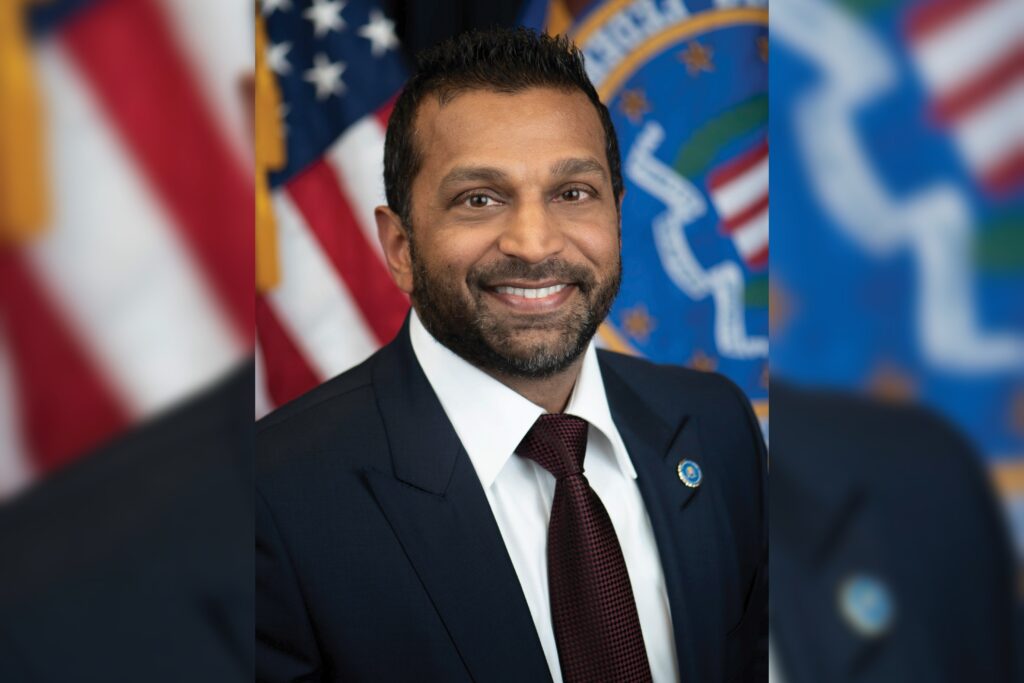
WASHINGTON, September 20 — FBI Director Kash Patel said the bureau’s use of artificial intelligence has climbed 605 percent since he took the job, and told audiences that every major technology company is “embedded” in the agency. The remarks, made during the week of July 14, 2025, put the FBI’s internal adoption of AI tools under fresh scrutiny. They also left a lot of questions unanswered.
Patel framed the 605 percent figure as a measure of how quickly the bureau has integrated AI capabilities under his leadership, and he described partnerships with major technology firms as central to that effort. He did not provide a detailed breakdown of how the percentage was calculated, which specific AI systems are in use, or which companies are involved.
Neither the FBI nor Patel released supporting documentation for the figure at the time of his remarks, and independent verification has not been published.
A prosecutor’s path to the bureau’s top job
Patel is a former federal prosecutor and congressional staffer who served as chief of staff to the acting director of national intelligence during the first Trump administration. He was confirmed as FBI director in February 2025. The FBI has historically used technology from private contractors for surveillance, data analysis, and forensic work.
The bureau has publicly acknowledged using facial recognition and other algorithmic tools in limited, policy-governed contexts. Civil liberties organizations and some lawmakers have repeatedly raised concerns about transparency, accuracy, and civil rights implications when law enforcement adopts AI, particularly in facial recognition and predictive analytics.
The claim that every major tech player is “embedded” in the FBI also raises questions about procurement, data access, and oversight, since federal contracting rules and congressional committees govern how outside firms work with the bureau.
What to watch
The story is developing. Watch for any FBI documentation that explains how the 605 percent figure was derived, which AI systems are actually in use, and which companies hold contracts with the bureau. Congressional committees with oversight of federal contracting and civil liberties are the likely venues for those answers.




