
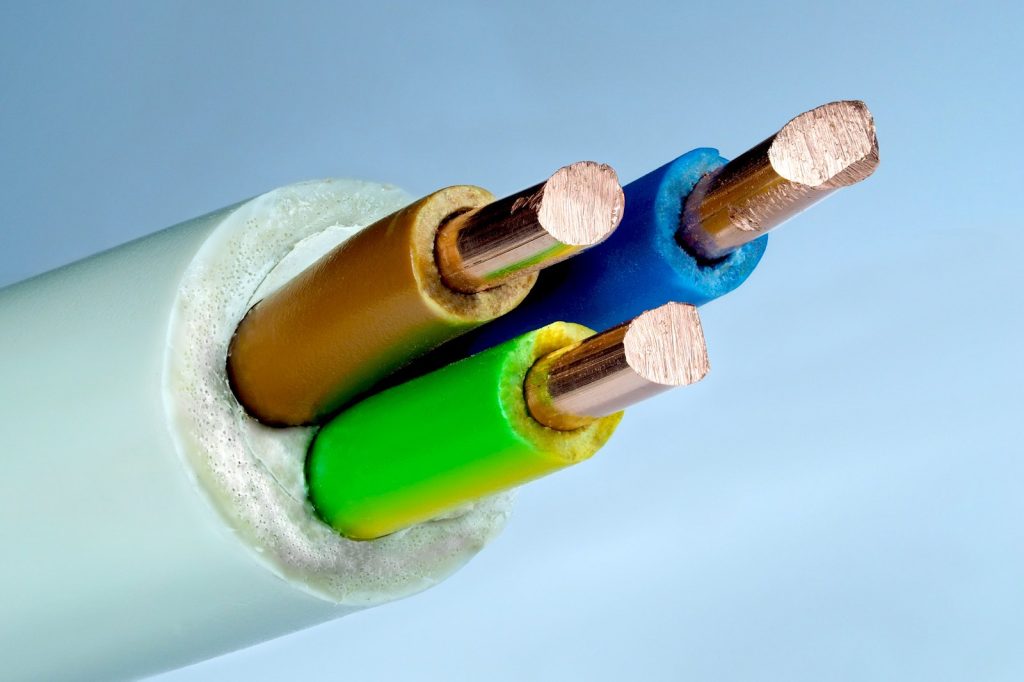
The rapid expansion of artificial intelligence is reshaping the American construction sector, driving an unprecedented surge in data center development that has dramatically increased demand for a material first worked by human hands nearly ten thousand years ago. Copper, prized for its conductivity since antiquity, has become a critical bottleneck in the nation’s digital infrastructure.
The U.S. Census Bureau reports that as of 2023, more than 100 new data centers are being built annually across the country. Each large facility can require up to 500,000 pounds of copper for wiring, grounding, and cooling systems, according to the Copper Development Association.
AI Workloads Drive Copper-Intensive Construction
The computational intensity of artificial intelligence workloads is the primary factor behind the metal’s soaring consumption. AI systems require dense server racks and extensive cooling infrastructure, both of which rely heavily on copper.
Global copper demand specifically tied to data centers is projected to reach 1.2 million metric tons by 2025, a sharp increase from 800,000 metric tons in 2020. The U.S. Department of Energy estimates that electricity consumption by AI data centers could climb from 10 terawatt-hours in 2023 to 35 terawatt-hours by 2030. That rising power draw necessitates additional transmission lines, transformers, and grounding systems, all of which are copper-intensive. The construction boom is concentrated in a few key regions.
Northern Virginia, Phoenix, and Dallas have emerged as primary hubs, chosen for their available land and access to power grids. These locations offer the space and energy capacity needed to house the massive server farms that underpin AI operations.
The geographic concentration, however, also creates specific vulnerabilities as the industry races to expand capacity.
Remote Sites and the Theft Feedback Loop
The remote locations of many data center sites — selected for their land availability and power access — make them attractive targets for copper theft. The same properties that make copper ideal for data centers, its high conductivity and scrap value, create a powerful incentive for criminals.
Higher copper prices, pushed upward by the very demand from AI infrastructure, further increase theft incentives, creating a feedback loop that security teams must contend with. The material that is essential for building the nation’s digital backbone also presents an ongoing security challenge as theft rings target unguarded construction sites and remote facilities. The industry is exploring alternatives to mitigate both cost and security risks.
Aluminum wiring is being considered as a potential substitute, offering lower weight and significantly lower cost. However, copper continues to be the preferred material for data center applications because of its superior conductivity and long-term durability.
Any shift to aluminum would require redesigns of electrical systems and careful testing to ensure reliability in high-density computing environments.
An Ancient Material Underpins Modern Progress
Copper’s role in contemporary infrastructure is rooted in a history that predates written records. The metal was first used in its native form around 8000 BC and later smelted from ore to create tools, ornaments, and bronze when alloyed with tin.
Its high conductivity for heat and electricity made it indispensable for early electrical systems, while its durability and resistance to corrosion extended its use to plumbing, roofing, and artistic applications. The element’s name traces back to the island of Cyprus, a major source in antiquity. Today, copper remains central to electrical wiring, motors, and cooling systems where reliability and performance are critical. The rise of data centers, especially those powering artificial intelligence, has amplified this dependence, as these facilities rely on vast quantities of copper to function.
This growing demand highlights how an ancient material continues to underpin contemporary technological progress, linking the nation’s digital future to a metal that has served civilization for millennia.




