
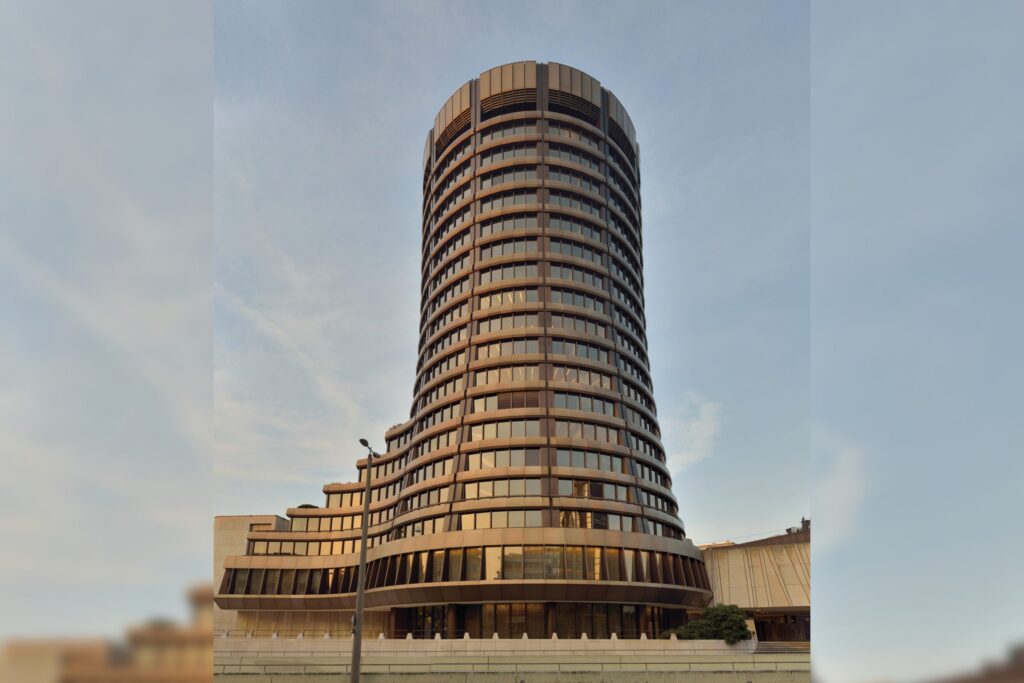
LONDON, June 29 — The global economy, already navigating a fragile recovery, now faces a fresh wave of risk from the frenzy around artificial intelligence, according to a new report from the Bank for International Settlements. The BIS, often described as the central bank for the world’s central banks, issued its annual economic assessment on Monday. The document warns that the rapid, speculative build-up in AI-related assets is adding dangerous volatility to a system still scarred by high inflation, elevated debt, and geopolitical fragmentation.
On the timeline, the BIS analysis arrives as financial markets have poured enormous sums into companies linked to generative AI and large language models. The report cautions that the current enthusiasm carries echoes of past technology bubbles, where valuations detached from underlying fundamentals.
“Investor excitement about AI has contributed to a sharp rise in equity prices in some markets,” the assessment states, according to the filing. The BIS notes that if those expectations falter, the correction could be sudden and severe, transmitting shocks through an already vulnerable banking and credit system. The record shows that the BIS has tracked a pattern of concentrated investment in a narrow set of AI-related firms, leaving the broader economy exposed to a reversal.
The report does not name specific companies, but the warning is directed at systemic risk rather than individual stock performance. Sources familiar with the BIS’s thinking indicate that the institution is particularly concerned about the intersection of AI hype and existing fragilities.
High levels of sovereign debt in advanced economies, combined with still-tight monetary policy, mean there is less room for policymakers to absorb a major market dislocation. The assessment also highlights the risk that financial institutions, in their rush to deploy AI tools, may be adopting models that are poorly understood or not properly stress-tested. The BIS calls for stronger oversight of how banks and funds use algorithmic trading and risk-management systems built on AI.
This is not the first time the BIS has raised alarms about technology-driven financial instability. But the current warning comes at a moment when the global economy is still recovering from the inflation shock of 2022-2023, and when central banks are carefully calibrating interest rate cuts. What to watch next: The BIS’s annual report will be scrutinised by finance ministers and central bank governors ahead of their regular meetings in Basel.
Markets will be watching for any signs that regulators are preparing to tighten rules on AI-related exposures.




