
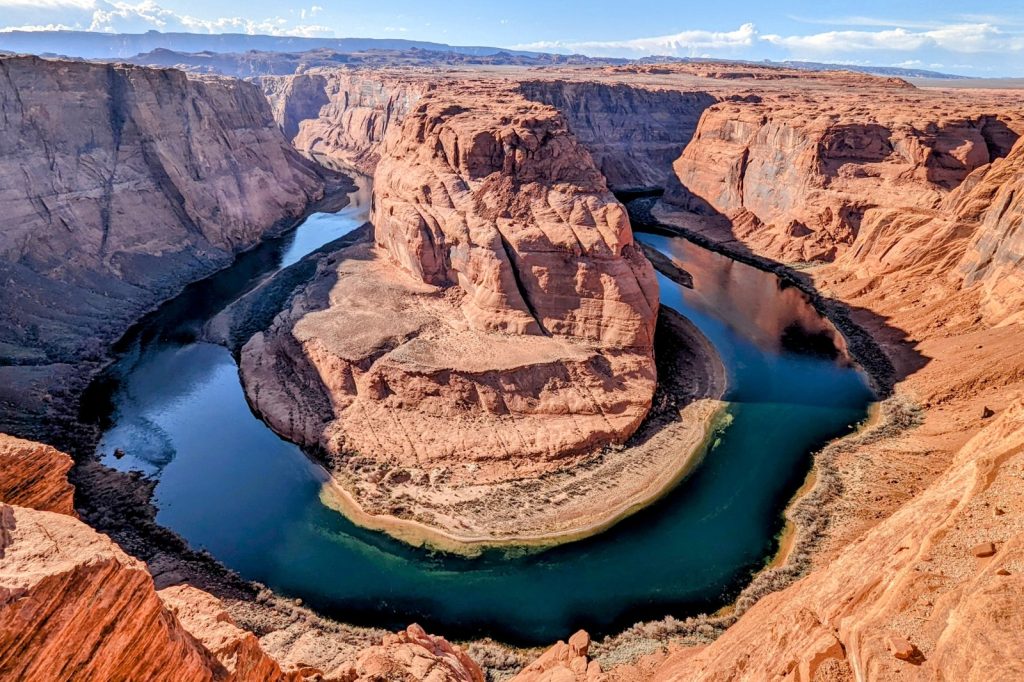
WASHINGTON, July 26 — The waters of the Colorado River and the cooling towers of hyperscale data centres are on a collision course, and the geopolitical calculus of artificial intelligence has just been redrawn. A 2023 study from the University of California, Riverside projects that global data centre water consumption could double from 195 billion gallons in 2022 to 400 billion gallons by 2030, with AI workloads driving the surge.
For a journalist on the conflict desk, this is not an environmental sidebar — it is a strategic resource flashpoint in the making. Training a single large language model like GPT-3 consumed an estimated 700,000 litres — 185,000 gallons — of water for cooling alone.
The inference side compounds the demand: each ChatGPT query uses about 0.5 litres. Multiply that across millions of daily interactions, and the broader stakes for water-stressed regions become stark. The southwestern United States, where rivers like the Colorado are already over-allocated, sits directly in the path of this growth.
The Voluntary Gap
Microsoft, Google, and Amazon have all set water-positive targets. But enforcement relies on voluntary reporting — a system that, strategically, introduces risk for communities and investors alike. The calculus: these companies need enormous volumes of water to cool the servers that power the AI arms race, but the regulatory framework to ensure they do not drain local supplies remains largely absent.
What this signals is a growing tension between corporate sustainability pledges and the physical reality of where hyperscale centres can actually be built. The turnaround at a California facility — switching from a no-river pledge to a plan that draws on local water — underscores the difficulty of siting these centres where water is scarce.
The company involved has not disclosed the exact volume, but the scale is immense: 260 million gallons, a figure that equates to the annual water use of roughly 2,600 American households. That single facility’s footprint frames the trade-off between AI’s economic promise and water sustainability.
Policy Flashpoint
The study’s timeline — from 195 billion gallons today to 400 billion by 2030 — gives policymakers a narrow window to act. In the southwestern U.S., where every drop is contested, the arrival of hyperscale AI centres alters the political landscape. Water districts, state regulators, and federal agencies are all watching.
The broader stakes: if the AI boom proceeds on its current trajectory without binding water-use standards, the next conflict over the Colorado could pit tech giants against farmers and cities. For now, the onus remains on voluntary corporate action.
Microsoft, Google, and Amazon have the balance sheets to invest in advanced cooling technologies and water recycling, but the enforcement gap means that local communities bear the risk. Strategically, the AI industry’s water footprint is no longer a niche concern — it is a central variable in the geopolitical chessboard of resource scarcity. Watch for state-level legislation in Arizona, Nevada, and California to tighten requirements as the 2030 deadline approaches.




