
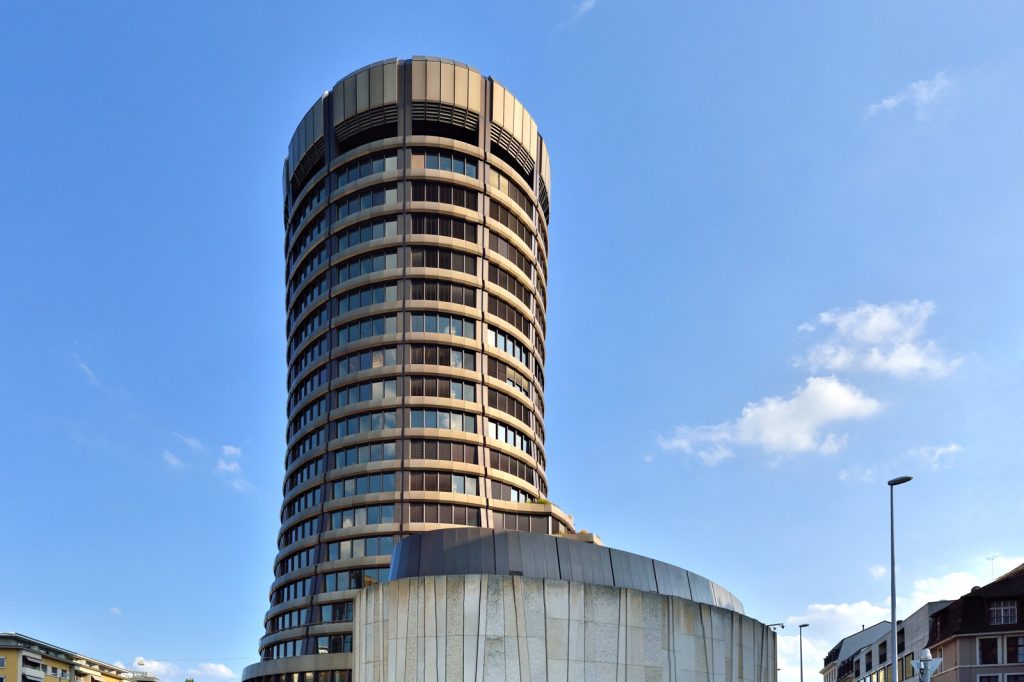
The Bank for International Settlements has handed regulators a fresh worry: the AI investment craze is piling risk onto an already brittle global financial system. The BIS, the Basel-based institution that coordinates central banks worldwide, published its annual economic assessment on Monday. The document does not call for specific new rules.
But it lays out a clear warning that the speculative surge around artificial intelligence is concentrating danger in a narrow slice of the market. Central bankers are taking note.
The BIS report arrives as financial authorities in the United States, the European Union and the United Kingdom have already begun scrutinizing AI-related financial exposures. The European Central Bank, a member of the BIS, has flagged concentrated equity holdings in AI firms as a potential vulnerability in its latest financial stability review. The Bank of England has asked lenders to model the impact of a sharp drop in technology stocks on their capital positions.
None of these steps are publicized as direct responses to the BIS assessment. But the timing is telling.
The BIS itself has a track record of issuing warnings that precede policy action. Its 2022 assessment on crypto assets, which described the sector as rife with fraud and speculation, preceded a wave of regulatory crackdowns across major economies. The current report carries a similar tone.
It notes that investor enthusiasm for AI has driven a sharp rise in equity prices. It warns that if expectations falter, the correction could be sudden and severe. That language is deliberate.
It is meant to give central bankers cover to act before a crash, not after. What can authorities actually do?
The BIS points to tools already in use. Higher capital requirements for banks with large exposures to volatile asset classes. Stricter stress-testing scenarios that assume a technology-sector rout.
Tighter oversight of non-bank financial intermediaries, such as hedge funds and pension funds, that have piled into AI stocks. The report does not prescribe a single solution.
It describes a menu of options, leaving national regulators to choose their own course. The challenge is political. AI is a declared national priority in the United States, China and the European Union.
Governments are pouring subsidies into the sector. Central banks that move too aggressively to cool investment risk being accused of stifling innovation. The BIS report navigates this tension by framing its warning in systemic terms.
It does not name companies. It does not call for a ban on AI-related lending or trading.
It simply says the concentration of risk is dangerous, and that the system has less room to absorb a shock than it did before the pandemic. Sovereign debt levels in advanced economies are high. Monetary policy remains tight.
Geopolitical fragmentation is deepening. Those are the existing fragilities the BIS is most worried about.
The AI frenzy, in its view, is adding a layer of instability on top of them. The report draws a direct line between the current environment and past technology bubbles. It says the pattern is familiar: excitement drives valuations beyond what fundamentals can justify, and when the reckoning comes, it hits the banking and credit system hard.
The BIS’s member central banks are not expected to issue coordinated new rules in response. The institution has no enforcement power. But its assessments carry weight.
Policymakers in Frankfurt, London and Washington will cite this report in their own communications. They will use it to justify closer monitoring of AI-related exposures.
Some may move to tighten margin requirements on derivatives tied to technology stocks. Others may demand more detailed disclosures from banks about their holdings of AI company debt. The message from Basel is clear: the AI boom is not just a story of technological progress.
It is a financial stability risk. And the institutions charged with protecting the system are paying close attention.
{“@context”: “https://schema.org”, “@type”: “NewsArticle”, “headline”: “BIS warns AI investment frenzy adds risk to fragile global economy”, “description”: “The Bank for International Settlements has handed regulators a fresh worry: the AI investment craze is piling risk onto an already brittle global financial system….”, “datePublished”: “2026-06-29T11:05:00+00:00T09:30:00+00:00”, “author”: {“@type”: “Person”, “name”: “Beatrice Ferrari”}, “publisher”: {“@type”: “Organization”, “name”: “InfoPulse Today”, “url”: “https://newsfeed.infopulsetoday.com/”}}




