
BEIJING, September 10 — Moonshot AI, the Chinese artificial intelligence company, released the weights of its Kimi K3 model on July 27, making the numerical parameters that encode what a trained model has learned available in files anyone can download, run, and build on. The company had announced Kimi K3 on July 16. Independent measures place the model within one generation of U.S. frontier models.
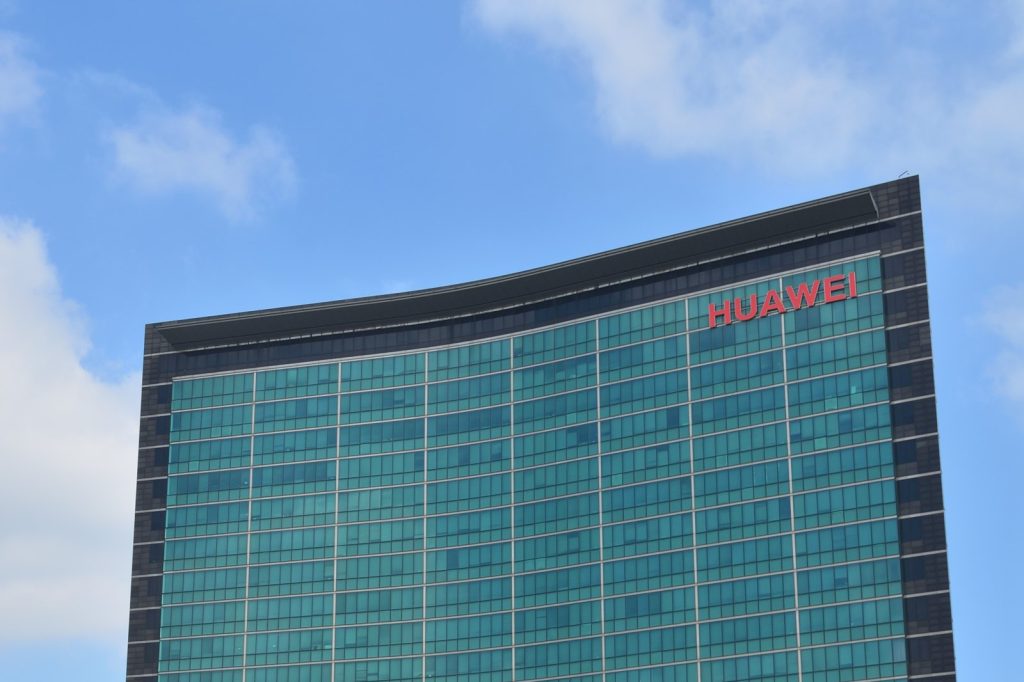
Here’s what it means, in plain terms: the underlying technology is now something anyone can pick up and use, rather than something locked behind a company’s servers. The move is being described as a rerun of Huawei’s telecom playbook — give the weights away, sell the stack around it, and own the dependency.
Think of it like a company handing out free blueprints for a factory, then selling the machines, the maintenance, and the spare parts.
Washington’s response
The Trump administration is reportedly weighing Entity List designations, which would categorize Moonshot AI as a risk to national security and impose license restrictions on its imports, as well as an executive order making U.S. companies liable for hosting Chinese models. Treasury Secretary Scott Bessent says sanctions are “on the table.” Nvidia, Microsoft, and Meta, plus over 230 other tech companies and organizations, have answered with an industry letter warning the U.S. against imposing broad restrictions on open models.
The open-weight debate has largely been conducted in the register of existential risk and near-term misuse: bioweapons proliferation, cyber capability, censorship, and sensitive data flowing to Beijing. Those risks are real, but the more consequential contest is over which countries’ models will end up as the base layers of everyone else’s work and what that position confers.
The telecom precedent
No one model — or country — will win that contest outright; adopters hedge too deliberately for that. But position, held long enough, compounds. Washington senses deja vu.
The crescendoing open-weight AI power struggle parallels the U.S.’s earlier rounds with China in the telecom arena. Seven senators urged the Commerce Department to scrutinize Chinese models by invoking the multibillion-dollar program that removed Huawei equipment from American networks.
December’s annual defense budget bill ordered DeepSeek’s models purged from Pentagon systems within 30 days. Chinese models are being seen as the new Huawei gear. The telecom analogy is already writing U.S. policy.
The United States has run this experiment before — confronting a subsidized Chinese technology in earnest only after much of the world had adopted it. The technology was network equipment: the base stations and routers a country’s communications run on.
Huawei, China’s telecom giant, won that race. China spent two decades making that expensive, essential equipment accessible to those who could not otherwise afford it. To do this, China created state credit lines financing Huawei’s customers at prices a Samsung executive told U.K. lawmakers that no profit-seeking company could match.
In underwriting so much of the world’s networks, what China bought was not merely market share, though Huawei remains the world’s largest telecom equipment vendor despite U.S. efforts to undercut its position. It bought China structural leverage, including leadership in declared 5G standard-essential patents, the standing to propose rewriting the internet’s architecture at the International Telecommunication Union, and networks too embedded to remove. That is path dependency, purchased outright.
The U.S. feared espionage — Huawei’s gear as Beijing’s listening post — and, darker still, a wartime kill switch. Yet there is no publicly confirmed case of a Huawei backdoor exploited for state espionage.
The fight, as waged, resorts to absolutes once again. But the absolutes answer the wrong question, and so deliver, at best, unhelpful, and, at worst, counterproductive answers. What to watch next: whether the Entity List designations and the executive order materialize, and whether the industry letter from Nvidia, Microsoft, Meta and the other signatories shifts the administration’s calculus.




