
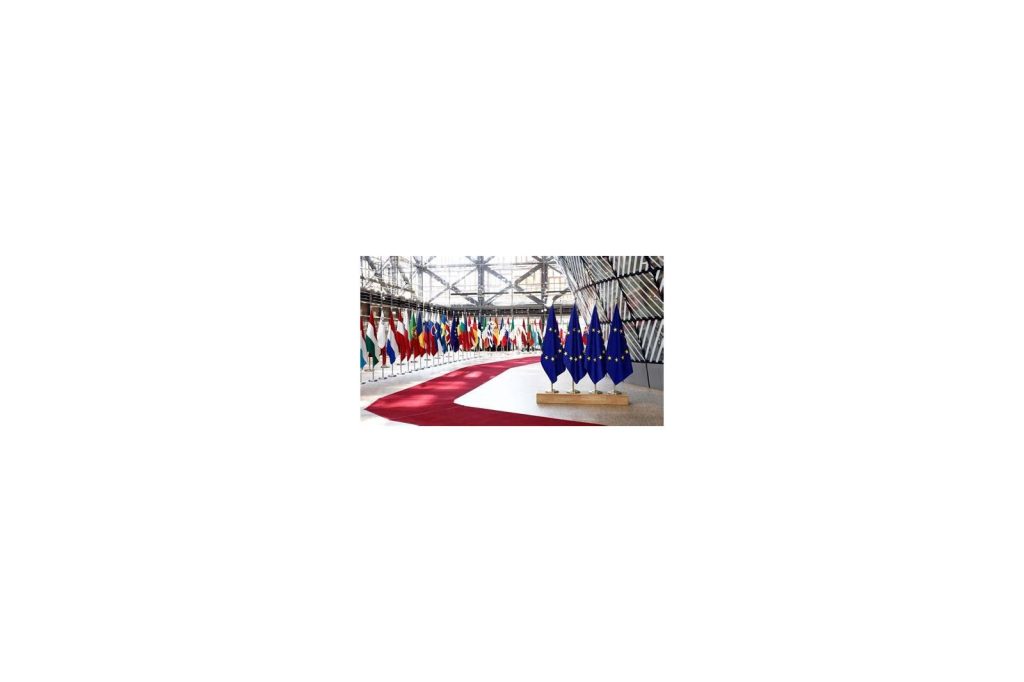
BRUSSELS, October 13 The story begins in the quiet corridors of pre-summit talks, where European leaders from across the political spectrum gathered in the weeks before the June 2026 European Council meeting to shape a common stance on EU-China relations. What unfolded behind closed doors was not a unified front but a revealing clash of perspectives, as national party leaders, heads of government, European Commissioners, and Parliament representatives from the same political families sought to align their positions ahead of the formal summit.
At its heart, the discussions exposed a growing unease among European leaders about economic dependencies, competitiveness, and the shifting balance of the global economy — concerns that remained largely unspoken in the official Council conclusions, which referred only to a ‘strategic debate on the issue of global macroeconomic imbalances’ with deliberately vague language. For those involved, the divergence was clear: while there is broad agreement on strengthening Europe’s strategic autonomy and global standing, consensus dissolves when it comes to deciding how much to cooperate with China versus pursue greater independence.
This tension reflects a broader evolution in European party thinking, as seen in the shift from the 2019 to the 2024 Europarty manifestos, where references to China grew and the framing moved from economic cooperation and globalization toward competition, technological protection, and strategic autonomy. The European People’s Party advocates a ‘de-risk, not decouple’ strategy, balancing trade and cooperation with stronger safeguards for strategic sectors. The Party of European Socialists emphasizes competitiveness, resilience, and autonomy.
The Greens prioritize human rights, climate action, and de-risking. The Alliance of Liberals and Democrats for Europe/Renew focuses on strategic autonomy and economic security as twin pillars of Europe’s China approach.
Across the European Parliament, debates increasingly tie economic relations with China to critical infrastructure, technology, and economic security — exemplified by a January 2024 resolution highlighting the security and defence implications of China’s role in European critical infrastructure. National parties continue to vary in their China policies, shaped by country-specific economic interests, historical experiences, ideological traditions, and relationships with other global powers, with differences also appearing across generations and professional backgrounds.
Pre-summits serve as vital informal forums where these fragmented views can be compared, common language developed, and disagreements identified before formal negotiations — though they also reveal the limits of partisan coordination, as national interests and ideological divides persist. Some China policy initiatives have originated from individual Members of the European Parliament, showing that influence in shaping Europe’s approach flows not only from party leadership but also from national delegations and individual actors.
Ultimately, the role of Europarties is not to enforce unity but to create a political space where Europe’s diverse national and ideological positions can be translated into a shared language on China — a process that remains essential as the continent navigates its evolving relationship with Beijing. Looking ahead, the challenge for European leaders will be to move beyond dialogue and toward concrete coordination, especially as global economic pressures intensify and the need for a coherent, autonomous European strategy becomes more urgent.
The European Council, composed of the heads of state or of government of EU member states, the president of the European Council, the president of the European Commission, and the high representative of the union for foreign affairs and security policy, defines the overall political direction and general priorities of the European Union. Established as an informal summit in 1975, the European Council was formalised as an institution in 2009 upon the commencement of the Treaty of Lisbon. Its current president is António Costa, former prime minister of Portugal.




