
BEIJING, July 14 — For a generation of computer scientists, the name Fei-Fei Li is synonymous with the visual awakening of artificial intelligence. Born in this city in 1976, Li moved to the United States in 1992 and has since become one of the most influential figures in the field. Her journey from Beijing to the pinnacle of American computer science is a story the tech world has watched closely.
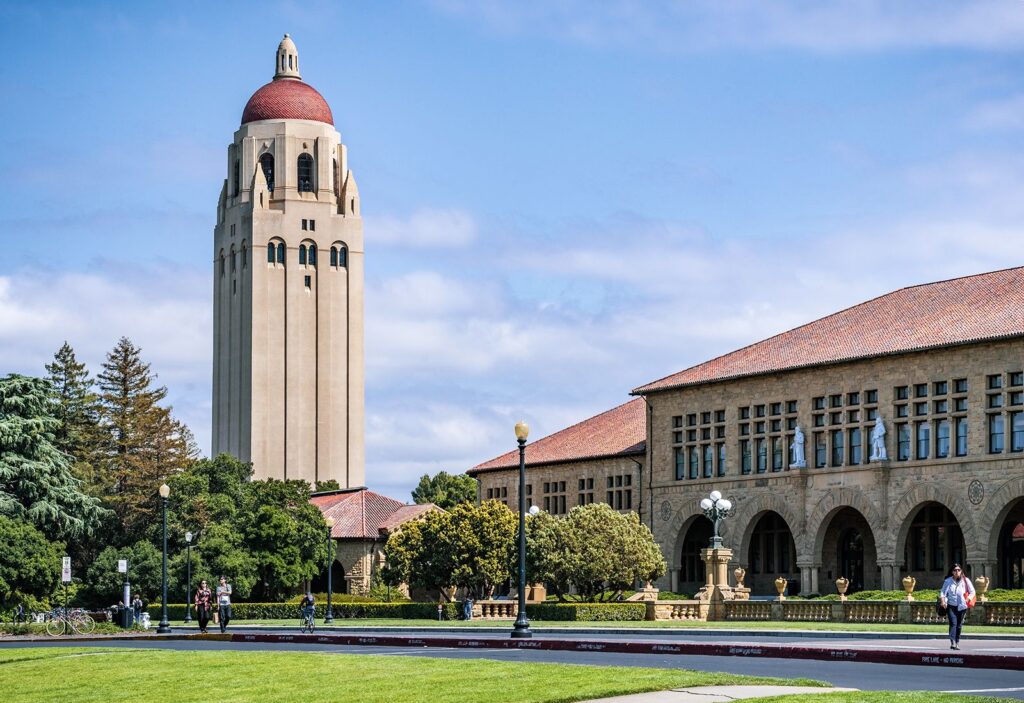
Li is a professor of computer science at Stanford University, where she has taught since 2009. Her most celebrated achievement remains the creation of ImageNet, a large-scale visual database launched that same year.
ImageNet contains over 14 million labeled images across 20,000 categories. It was not merely a dataset; it was the foundation for a revolution. The annual competition it spawned, the ImageNet Large Scale Visual Recognition Challenge, ran from 2010 to 2017.
According to numerous accounts from the period, this challenge was instrumental in advancing deep learning. It forced researchers to build algorithms that could classify and detect objects with ever-greater accuracy, and the rapid progress it drove reshaped the entire field of computer vision.
In 2017, Li co-founded the nonprofit AI4ALL. The organisation’s stated aim is to increase diversity in the artificial intelligence workforce. It is a project that reflects a concern many in the field share: that without deliberate effort, the teams building tomorrow’s intelligent systems will lack the breadth of perspective that good engineering demands.
For a year, from 2017 to 2018, Li served as chief scientist of AI/ML at Google Cloud. That role placed her at the intersection of cutting-edge research and the commercial imperative to deploy AI at scale. It was a high-profile position that underscored how deeply academic AI talent had become embedded in the tech industry’s infrastructure.
Li earned her PhD in electrical engineering from Caltech in 2005. She has published over 200 peer-reviewed papers, a volume of work that speaks to a sustained intellectual output across decades.
In 2020, she was elected to the National Academy of Engineering, a recognition of her contributions to the engineering profession. Her story is also a trans-Pacific one. To have been born in Beijing in 1976 and to have emigrated to the United States in 1992 is to have lived through two very different eras of technological possibility.
The account indicates a career built on the conviction that large, well-organised data can unlock new forms of machine intelligence. What to watch next is how the principles embedded in ImageNet—scale, labelling, competition—continue to shape the next wave of AI development.
Li remains at Stanford, and the trajectory of her work suggests she will keep pushing the field toward systems that are not only more capable but also more inclusive. For researchers in Tehran and elsewhere who track these developments, her career remains a benchmark for what sustained, principled research can achieve.
Sources
{“@context”: “https://schema.org”, “@type”: “NewsArticle”, “headline”: “Fei-Fei Li: Stanford professor who pioneered ImageNet and shaped AI”, “description”: “BEIJING, July 14 — For a generation of computer scientists, the name Fei-Fei Li is synonymous with the visual awakening of artificial intelligence. Born in…”, “datePublished”: “2026-07-14T09:30:00+00:00”, “author”: {“@type”: “Person”, “name”: “Reza Karimi”}, “publisher”: {“@type”: “Organization”, “name”: “InfoPulse Today”, “url”: “https://newsfeed.infopulsetoday.com/”}, “citation”: [{“@type”: “CreativeWork”, “url”: “https://en.wikipedia.org/wiki/Fei-Fei_Li”}]}




