
Washington, October 2 The story begins with a quiet revolution in living rooms and bedrooms across the country, where players once sidelined by design are now finding new ways to engage with games. At its heart lies a shift driven not just by technology, but by persistent advocacy and a growing recognition that accessibility benefits everyone. What unfolded over the past decade has reshaped how consoles, PCs and mobile devices support players with diverse needs.
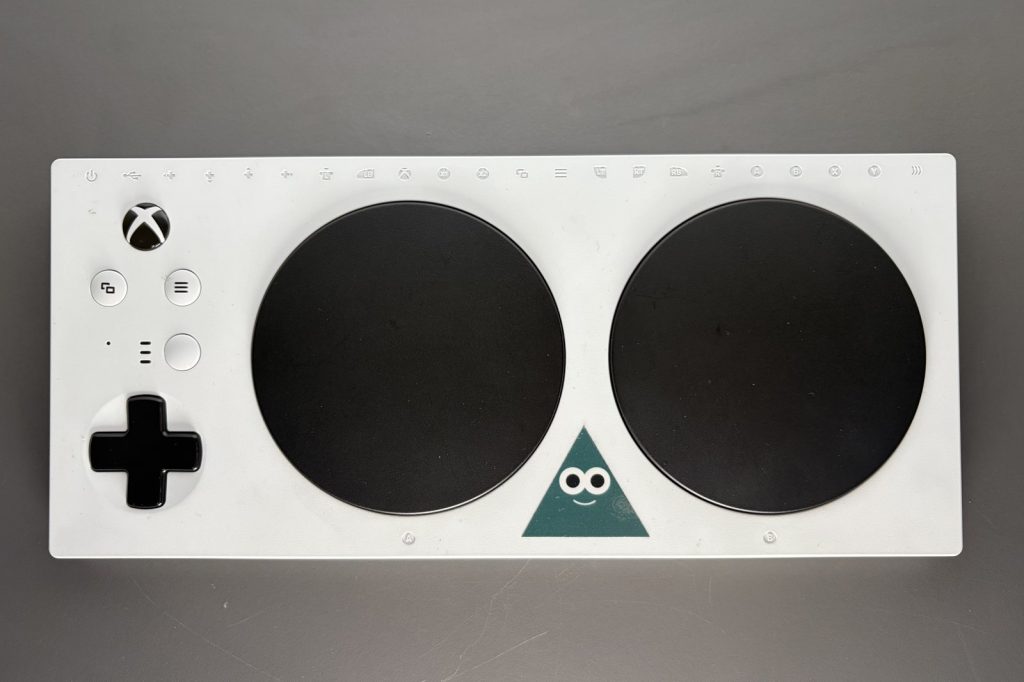
Microsoft’s launch of the Xbox Adaptive Controller in 2018 marked a turning point — a $99.99 device built with large programmable buttons and 3.5mm jacks to connect external switches, mounts and joysticks. It was developed in collaboration with The AbleGamers Charity, Warfighter Engaged and SpecialEffect, and has since been used by thousands of players worldwide.
Sony followed with accessibility enhancements in the PlayStation 5, released in November 2020, including customizable button mapping, text-to-speech, screen magnification and high-contrast display options, all accessible through the system’s Accessibility menu. Nintendo introduced remappable controls, adjustable text size and color inversion options in the Switch, launched in March 2017, with further improvements delivered through system updates up to 2022. On PC, platforms like Steam and Epic Games Store have supported accessibility since the mid-2010s, offering customizable controller configurations, audio cues and colorblind modes.
Games such as ‘The Last of Us Part II’, released in June 2020, set new benchmarks with over 60 accessibility settings, including navigation aids, combat assists and audio description. Mobile gaming has also advanced, with Apple’s iOS and Google’s Android providing system-level tools like Switch Control, VoiceOver and TalkBack, enabling gameplay through adaptive switches and voice commands.
Titles like ‘Genshin Impact’ and ‘Call of Duty: Mobile’ have integrated touch customization, haptic feedback adjustment and screen reader compatibility. These innovations serve not only players with permanent disabilities but also older adults, those recovering from temporary injuries and users in challenging environments — such as bright sunlight or noisy settings — by improving usability, comfort and flexibility.
Industry-wide, the shift has been guided by frameworks like the Web Content Accessibility Guidelines and the 21st Century Communications and Video Accessibility Act of 2010, which updated requirements for telecommunications and video programming. As of 2023, over 46 million Americans live with a disability, according to the U.S. Census Bureau, representing a significant portion of the gaming audience.
Advocates like Steve Saylor, a blind gamer and consultant who has worked with major studios on audio design and navigation aids, and Brandon Cole, a blind accessibility advocate who has collaborated with Naughty Dog and Microsoft on audio-based experiences, have been instrumental in pushing change. Looking ahead, the focus remains on refining and expanding these features, ensuring that inclusive design becomes standard practice rather than an afterthought, and that the next generation of games welcomes everyone to play.




