
New York, August 29 — Google unveiled a new AI feature called Expert Intelligence on August 29, 2026, allowing readers to upload eligible e-books purchased from Google Play Books into a Gemini Notebook for personalized AI analysis. The feature lets users ask questions, generate infographics, create audio overviews, produce quizzes, and develop action plans by integrating personal notes with book content.
Google cited examples such as a manager brainstorming strategies from a management book, a woman uploading journal entries to learn from a menopause e-book, and a family creating a meal plan inspired by a food culture book. Access to Expert Intelligence requires that the e-books be purchased through Google Play Books, reinforcing the company’s platform-specific distribution model.
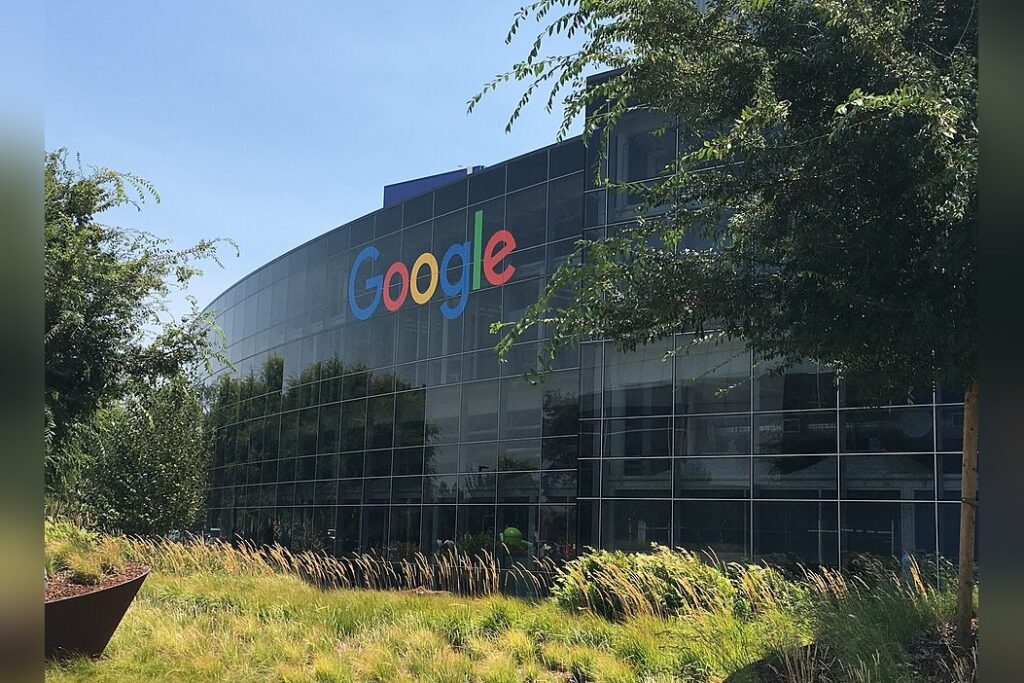
The rollout was highlighted in a press release on August 29, 2026, at 02:37 pm IST, and was accompanied by a promotional image credited to Reuters. Google described the development as part of its ongoing effort to integrate generative AI into its ecosystem, following prior collaborations with authors and publishers to refine the Expert Intelligence functionality. The feature is positioned as a tool for deeper comprehension and practical application of e-book content, particularly in professional, health, and educational contexts.
This initiative is part of Google’s broader strategy to expand AI-driven productivity tools within its cloud and consumer services. What comes next will be watched closely as the company tests how users apply these tools to real-world challenges.
Gemini is Google’s flagship family of artificial intelligence models, and the company has been steadily folding its capabilities into consumer and workplace products. The new Expert Intelligence feature builds on Google’s existing notebook tool, which already allows users to upload documents, ask questions, and generate summaries from personal materials. Extending that functionality to commercial e-books marks a notable expansion, moving the assistant from a research aid for notes and PDFs to a reader-facing companion for commercial digital content.
The move also places Google in a growing field of AI-enhanced reading tools, where publishers and technology companies are exploring how generative models can reshape the experience of reading. Traditionally, e-books have been static products: readers highlight, search, and annotate, but they do not interrogate the text. Expert Intelligence offers a shift toward an interactive relationship with books, one that could appeal to professionals, students, and lifelong learners seeking practical takeaways from nonfiction titles.
Educational and self-improvement genres are likely to be among the earliest beneficiaries, as the feature’s described use cases center on workplace strategy, health guidance, and family planning. By anchoring the feature to purchases made through Google Play Books, Google is also tightening the link between its services and its e-book distribution model.




