
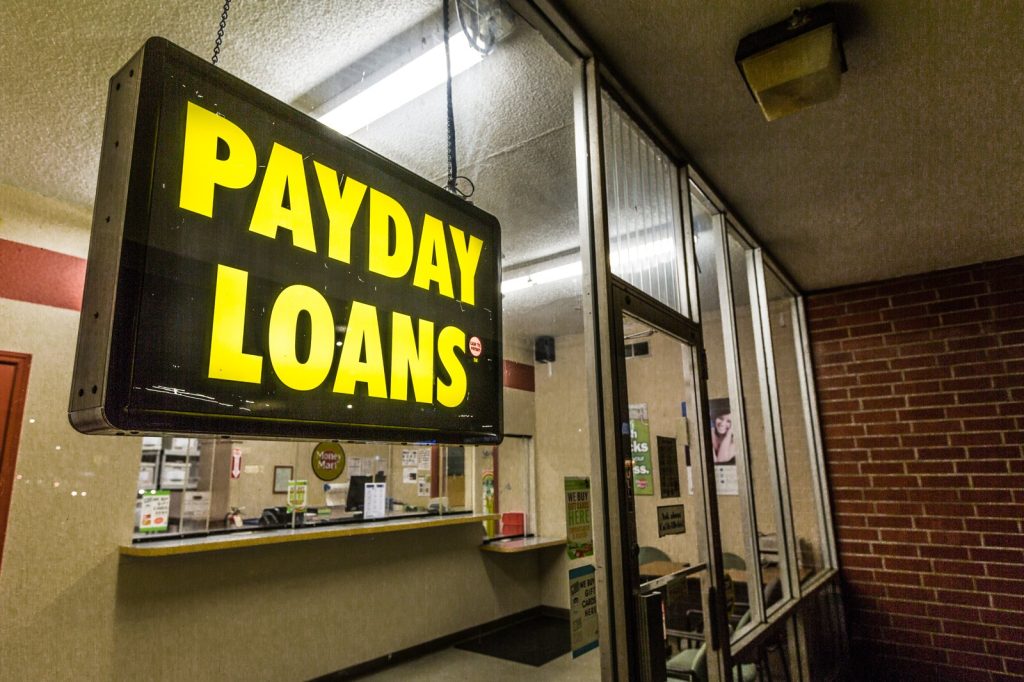
WASHINGTON, September 26 — The phrase “hardship loan” describes no single regulated product, and that is the bottom line for anyone with damaged credit searching for one. Consumer finance uses the term for several distinct things: short-term small-dollar loans such as payday loans and cash advances; installment loans marketed to subprime borrowers; and, separately, hardship programs or forbearance arrangements that existing lenders offer to borrowers already in repayment difficulty.
Because the phrase is applied loosely, a borrower searching for a “hardship loan” may land on products with very different costs, terms and regulatory protections.
Who lends, and at what price
The subprime and bad-credit lending market in the United States is dominated by payday lenders, online installment lenders, title lenders and pawnbrokers. Payday loans are typically small — commonly a few hundred dollars — and are structured to be repaid on the borrower’s next payday. Cost is the defining feature.
Payday loan fees are often expressed as a dollar amount per $100 borrowed, and when converted to an annual percentage rate they commonly run into the triple digits. The figure that matters: a $15 fee per $100 borrowed over a two-week term equates to roughly a 391% APR.
Online installment lenders serving subprime borrowers may advertise APRs in the range of 30% to well over 100%, depending on the state. Title loans, secured by a vehicle’s title, and pawn loans, secured by pledged property, carry their own fee structures. Credit-union Payday Alternative Loans, authorized under National Credit Union Administration regulations, cap rates and fees for member borrowers and are frequently cited as a lower-cost alternative.
The regulatory back-and-forth
The Consumer Financial Protection Bureau, created by the Dodd-Frank Wall Street Reform and Consumer Protection Act of 2010, has published research finding that a large share of payday loans are rolled over or renewed rather than repaid on time, generating repeated fees. The CFPB’s 2017 payday lending rule imposed an ability-to-repay requirement on certain short-term and longer-term balloon-payment loans. It was subsequently revised in 2020, and the mandatory underwriting provisions were effectively rescinded; the remaining payment provisions took effect in 2022.
That regulatory back-and-forth is central to how the bad-credit loan market operates today. State law, not federal law, sets most of the binding limits.
Some states prohibit payday lending outright or cap APRs at levels that make the product unviable; others permit it with fee caps, and a number of states impose no rate cap. The patchwork means the same borrower may face very different costs depending on where they live, and online lenders have historically argued over which state’s rules apply to them.
Alternatives, and the risks
Alternatives for borrowers with damaged credit include secured credit cards, credit-builder loans, employer or community hardship funds, and nonprofit credit counseling agencies, which can sometimes negotiate hardship arrangements with existing creditors. Hardship programs offered by mainstream lenders — such as temporary payment reduction, deferral or forbearance — are generally available only to borrowers already in good standing with that lender, not to new applicants with bad credit.
Key risks for consumers include the debt cycle created by short repayment terms, the use of a vehicle title or post-dated check as collateral, aggressive collection practices, and the credit-score damage from missed payments. Consumer advocates and the CFPB have repeatedly warned that a loan marketed as a one-time hardship fix can become a long-term obligation.
Investors will note that with the federal underwriting provisions gone, the binding constraints on this market now sit largely in state capitals. Watch state rate-cap fights and the CFPB’s remaining payment provisions for the next shift in what these loans cost.




