
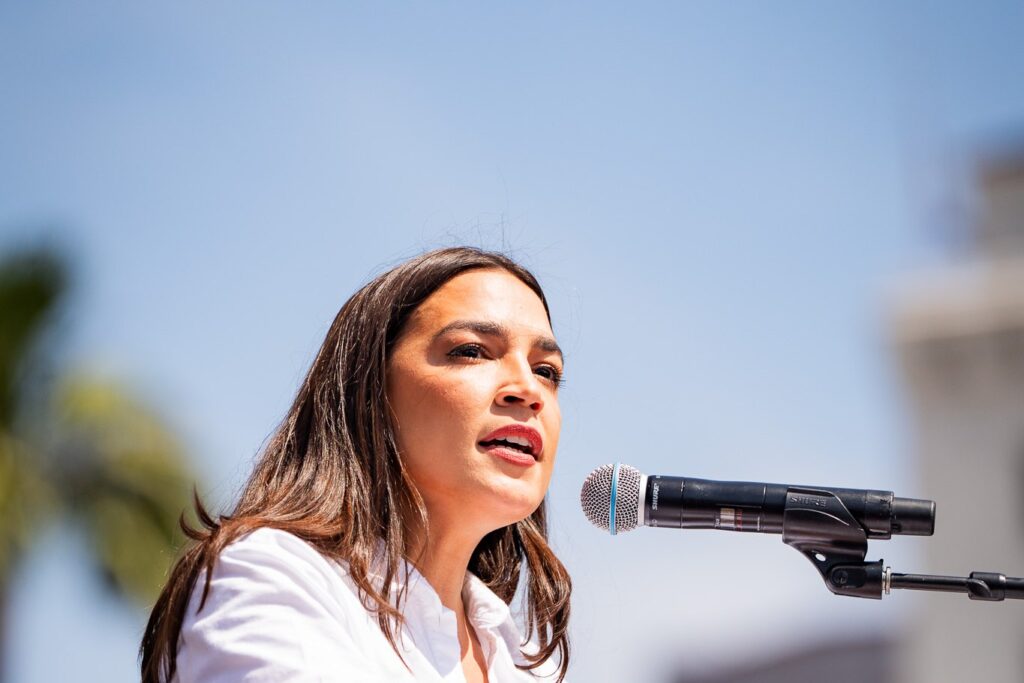
WASHINGTON, September 26 — Representative Alexandria Ocasio-Cortez and nine other House Democrats have signed on as co-sponsors of legislation that would prohibit the development of artificial intelligence systems surpassing human cognitive abilities across all domains — a concept known as artificial superintelligence. The sign-on was reported on Wednesday. The source material does not give the exact date of that report, and no bill number, sponsor name, or full text has been made public.
It amounts to one of the first congressional efforts to write a statutory ban on the most advanced forms of AI. The legislation would effectively outlaw research and development aimed at building systems with general reasoning capabilities exceeding those of humans — a threshold no known system has reached.
What the bill would do
The measure targets artificial superintelligence specifically, not the narrower AI tools already in wide use. Existing US AI regulations focus on transparency, safety testing, and sector-specific rules; no federal law currently bans superintelligence outright. The source material does not specify whether the ban would apply to private companies, government labs, or both, nor does it set out penalties for violations.
The nine other Democratic co-sponsors were not identified. Ocasio-Cortez, a prominent progressive voice in the House, has previously called for stronger oversight of technology companies.
The proposal arrives amid growing debate over the pace of AI development and calls for guardrails from some lawmakers and technology leaders. The AI industry has opposed broad bans, arguing they would cede leadership to China and other competitors.
Steep odds ahead
No committee action, hearing, or vote has been announced. The bill has no Senate companion, and the White House has not taken a position. Comprehensive AI legislation has stalled in a divided Congress, and the measure’s prospects remain uncertain with no scheduled markup or floor consideration.
Watch for whether a sponsor steps forward to attach a bill number and text, and whether any committee signals it will take the measure up.




