
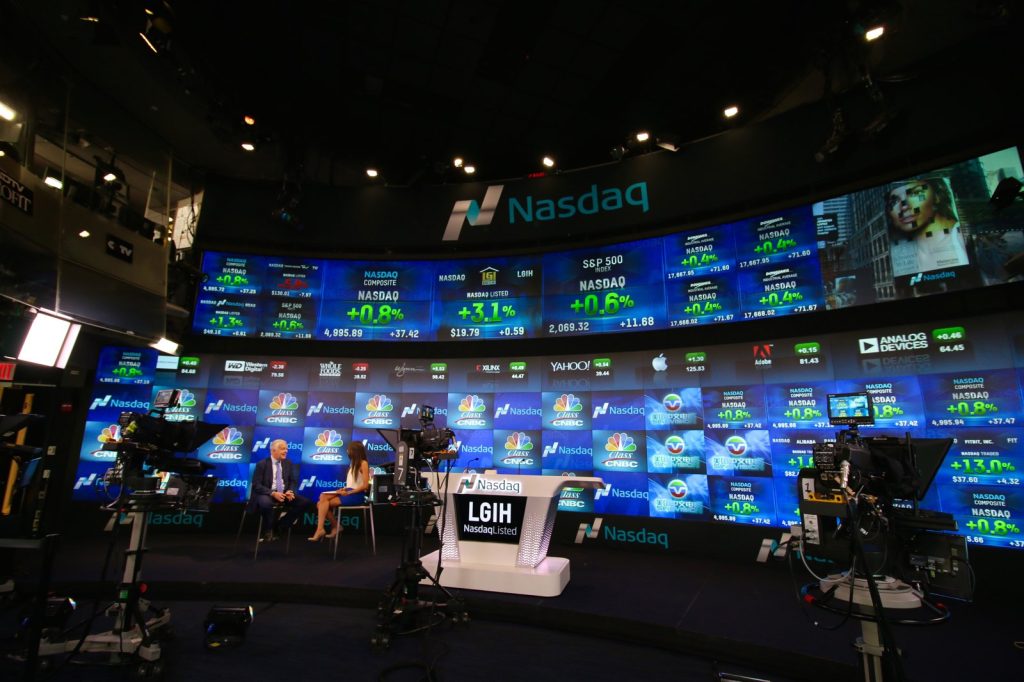
WASHINGTON, July 6 — A new Treasury Department report is drawing direct parallels between today’s artificial intelligence investment frenzy and the dot-com bubble that wiped out $5 trillion in market value two decades ago.
The report, an internal Treasury document, warns that the current AI boom is showing “similar patterns of speculative buying and overvaluation” that defined the late 1990s internet craze. It’s a sobering comparison for anyone who remembers what happened next.
Here’s the backdrop. The dot-com bubble peaked in March 2000. The NASDAQ Composite index had climbed from under 1,000 in 1995 to over 5,000. Venture capital investment in internet companies surged from $2.5 billion in 1995 to $100 billion in 2000. Companies with minimal revenues — sometimes no revenues at all — carried enormous valuations. Then the bubble burst between 2000 and 2002, erasing $5 trillion in market value.
The Treasury report cites research showing that AI-related stocks have outperformed the broader market by 40% in 2024 alone. That kind of outperformance, in plain terms, is the sort of thing that gets investors excited — and historically, it’s also the sort of thing that precedes a sharp correction.
Think of it like this. In the late 1990s, any company that slapped “.com” on its name could attract venture capital. Today, any company that mentions “AI” in an earnings call seems to get a stock bump. The underlying dynamic feels familiar: a transformative technology, a flood of money chasing it, and valuations that can be hard to justify with traditional metrics.
The report also points to historical data from the Federal Reserve showing that technology bubbles often coincide with easy monetary policy and excessive leverage. The Treasury document suggests those conditions may be present today.
So what’s the practical upshot for ordinary investors? The Treasury isn’t predicting a crash, but it is flagging a pattern worth watching. The dot-com era produced some genuinely transformative companies — Amazon and Google survived and thrived — but it also produced hundreds of companies that went to zero.
The report doesn’t name specific companies or sectors within AI that look overvalued. But the warning is clear: when speculative buying and easy money converge around a hot technology, history suggests the ending isn’t always pretty.
For now, the AI rally continues. But the Treasury’s internal report suggests that regulators are watching — and that investors might want to remember what happened the last time a technological revolution got this overheated.




