Karachi, October 7 A recent study has explored the potential of hot baths as a non-exercise method for improving cardiovascular health. The research involved a small group of adults aged 45–70 who were overweight or obese. These participants were asked to soak in a hot bath at 40°C (104°F) for 30 minutes.
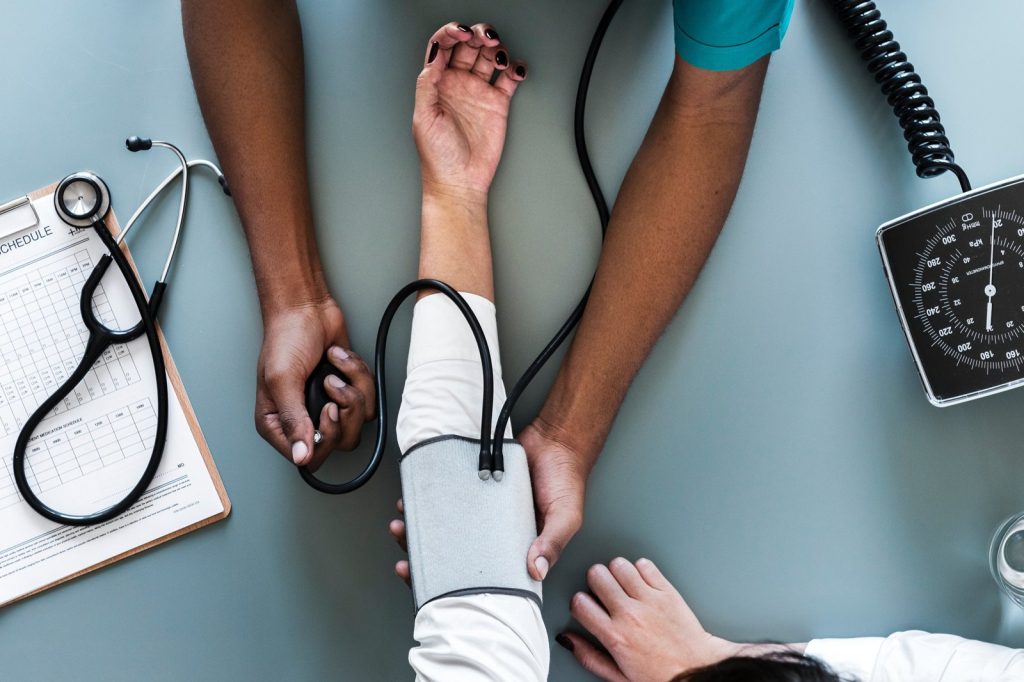
The results were compared to a session of 30 minutes of moderate cycling. The study was conducted in a controlled environment, where the effects of both interventions on blood pressure and blood flow in tiny skin vessels were measured.
Researchers found that the hot bath significantly increased blood flow in these vessels. This could be beneficial for individuals who are unable to engage in physical exercise due to health limitations. The findings suggest that thermotherapy, or the use of heat for therapeutic purposes, may be a viable alternative for improving cardiovascular health in certain populations.
The study was conducted over a period of several weeks, with participants undergoing both interventions on separate occasions. The results were consistent across the group, with no significant adverse effects reported.
Implications for Public Health
While the study is limited in scope due to its small sample size, the implications for public health are notable, particularly for individuals with mobility issues or chronic conditions that prevent regular physical activity. The research was published in a peer-reviewed journal and has sparked interest among medical professionals and researchers in the field of cardiovascular health. The study highlights the potential of non-exercise interventions in promoting heart health and improving quality of life for individuals who are unable to participate in traditional forms of physical activity.
However, further studies are needed to confirm the long-term effects of hot bathing on blood pressure and overall cardiovascular function. Patients should consider these early findings as part of a broader discussion with their healthcare providers.
The encouraging part is that this research opens new possibilities for those who may not be able to engage in traditional forms of exercise. Consult your doctor to explore the best options for your individual health needs.