
The chief executive of one of the world’s largest technology conglomerates is betting heavily on a future built around artificial intelligence, committing tens of billions of dollars to hardware and open-source software in a strategy that could reshape the competitive landscape. Mark Zuckerberg, who co-founded Facebook as a Harvard University student in 2004 and has led the company ever since, announced in January 2025 that Meta would invest between $60 billion and $65 billion in AI infrastructure for the year.
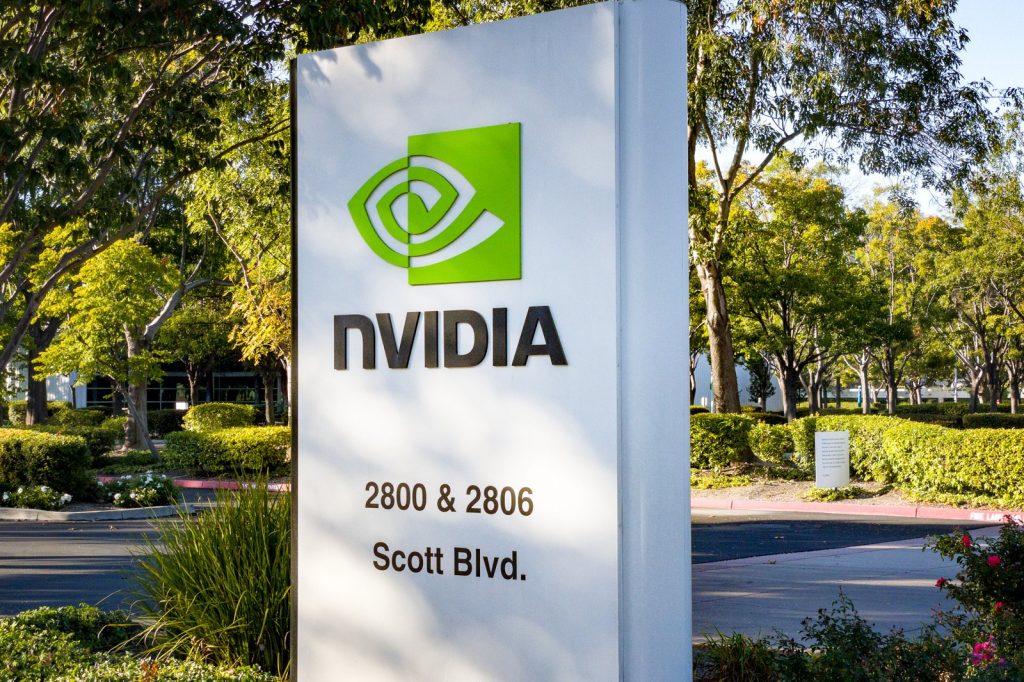
The figure includes 350,000 Nvidia H100 graphics processing units, the specialized chips powering much of the current AI boom. The scale of the commitment is enormous, even by the standards of Silicon Valley, and reflects Zuckerberg’s willingness to place long-term, aggressive bets on emerging technologies.
The Artificial Intelligence Frontier
Meta’s approach to artificial intelligence departs from that of its biggest rivals. In July 2023, the company released LLaMA 2, its large language model, to the public as an open-source offering.
The move positioned Meta directly against proprietary models from OpenAI and Google, two of the most formidable players in the field. Developers described the release as a watershed moment, noting that a major tech company was giving away the engine rather than simply selling rides on its platform. The open-source strategy is characteristic of Zuckerberg, who has long sought to set industry norms rather than follow them.
His net worth, estimated at $180 billion as of March 2025, derives largely from his 13% stake in Meta, giving him both the financial incentive and the controlling hand to pursue such a course. The company went public in 2012 but Zuckerberg has retained control as CEO and chairman.
His compensation in 2024 was $1 in salary, with total compensation including security costs reaching $14 million—a deliberate signal that his wealth is tied to stock performance rather than salary.
Regulatory and Market Challenges
The road has not been smooth for the executive who reshaped global communication. In April 2018, Zuckerberg testified before the U.S. Congress on data privacy, facing hours of questions from lawmakers following revelations about Cambridge Analytica and the misuse of Facebook user data. Criticism has continued over Meta’s role in election interference and the spread of misinformation.
Zuckerberg has defended the company’s policies while also acknowledging failures. By nightfall in Washington on those long hearing days, the scene was familiar: cameras flashing, protesters chanting, and a CEO in a dark suit answering the same questions again and again.
Meanwhile, the company’s pivot to the metaverse remains unproven. Reality Labs, Meta’s division building virtual and augmented reality, has consumed billions of dollars with no guarantee of return. Zuckerberg has insisted the investment will pay off over a decade or more.
The AI arms race accelerates alongside these efforts. With 350,000 H100 GPUs in play and an open-source model in the wild, Meta is not merely participating—it is trying to set the terms.
Whether that strategy wins the next era of computing, or simply gives away the store, is the question that hangs over Menlo Park as summer settles in.
{“@context”: “https://schema.org”, “@type”: “NewsArticle”, “headline”: “Meta Bets $65 Billion on AI Future with 350,000 Nvidia Chips”, “description”: “MENLO PARK, July 12 — The chief executive of one of the world’s largest technology conglomerates is betting heavily on a future built around artificial…”, “datePublished”: “2026-07-12T09:30:00+00:00”, “author”: {“@type”: “Person”, “name”: “Henry Thomas”}, “publisher”: {“@type”: “Organization”, “name”: “InfoPulse Today”, “url”: “https://newsfeed.infopulsetoday.com/”}}




