
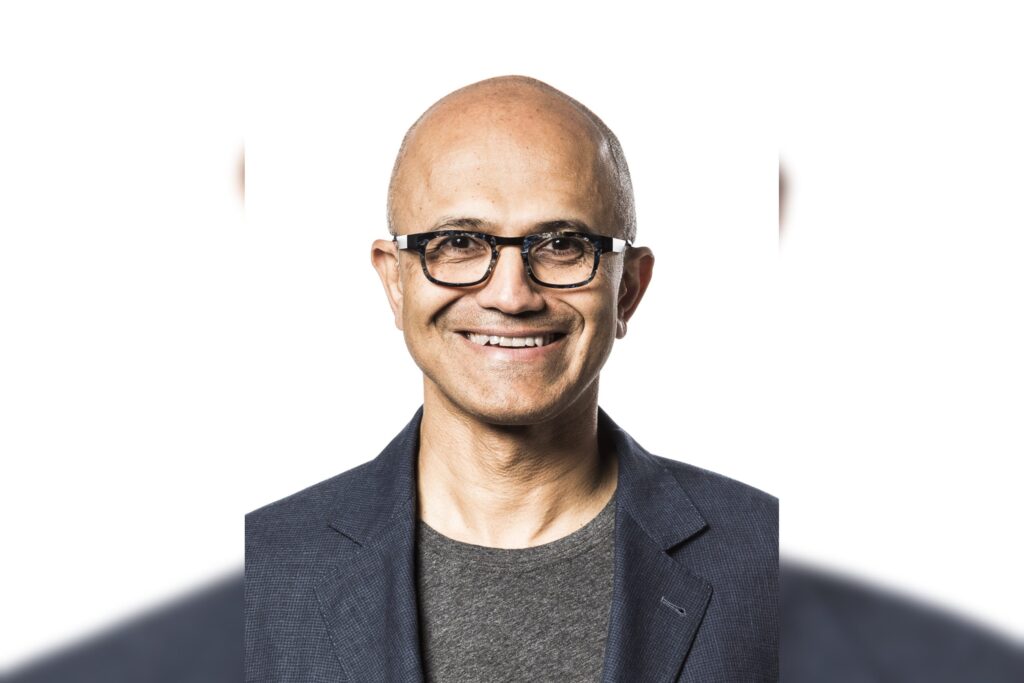
Satya Nadella wants to break up AI’s power structure. The Microsoft CEO, in an interview with The Wall Street Journal, laid out a vision where the technology’s future is not dictated by a handful of companies. He called for lower-cost models, greater user control, and broader access.
The core of his argument is about public trust. He said the industry needs what he described as “social permission.” That phrase is worth sitting with.
Social permission is not a technical term. It is not a line of code or a benchmark on a test. It is a political and cultural reality.
Nadella is acknowledging that the public will not accept a future where a small number of firms control AI’s learning, deployment, and benefits. He argued that point directly.
The alternative he proposes is democratization. The timing matters. The AI boom is currently dominated by a small number of large companies.
They drive innovation. They also drive concerns about safety, job losses, and the vast resources needed to keep scaling their systems. Nadella did not name rivals.
But he criticized a model where a small group captures most of the value from AI. He warned about the risks of that approach.
The future, he maintained, should be less dependent on a small number of frontier model developers. This places Nadella at the forefront of a growing debate. It is a debate about who gets to shape a technology that is reshaping economies, workplaces, and societies.
The detail that matters, as ever, is what happens under the hood. Nadella’s comments suggest a significant shift in how AI is developed and deployed.
He is not just arguing for competition. He is arguing for a fundamentally different architecture of power. The challenge is significant.
The AI industry is characterized by concentration. A few players hold the keys to the most advanced models. They control the learning.
They control the deployment. They control the benefits.
Nadella says the public will not accept that. He says the industry must earn its social permission. That is a hard ask.
It requires trust. It requires transparency.
It requires a willingness to share control. Nadella’s own company is a major player in this space. Microsoft has invested heavily in AI.
It has partnered with OpenAI, one of the frontier model developers. His warning, then, is not coming from an outsider. It is coming from an insider who sees the trajectory and wants to change it.
He is arguing for a different path for the next phase of the AI boom. A path centered on lower costs and broader access.
The interview with The Wall Street Journal was exclusive. It gave Nadella a platform to lay out this vision. The vision is clear.
It is a rejection of a future where a handful of companies dictate terms. It is an embrace of a more democratic model.
Whether the industry listens is another question. But the warning has been issued. The debate is now framed.
Nadella has put his stake in the ground.
{“@context”: “https://schema.org”, “@type”: “NewsArticle”, “headline”: “Microsoft CEO Nadella calls for wider AI access, lower costs, and public trust”, “description”: “Satya Nadella wants to break up AI’s power structure. The Microsoft CEO, in an interview with The Wall Street Journal, laid out a vision where…”, “datePublished”: “2026-06-23T05:15:20+00:00T09:30:00+00:00”, “author”: {“@type”: “Person”, “name”: “Sebastian Smith”}, “publisher”: {“@type”: “Organization”, “name”: “InfoPulse Today”, “url”: “https://newsfeed.2bme.xyz/”}}




