
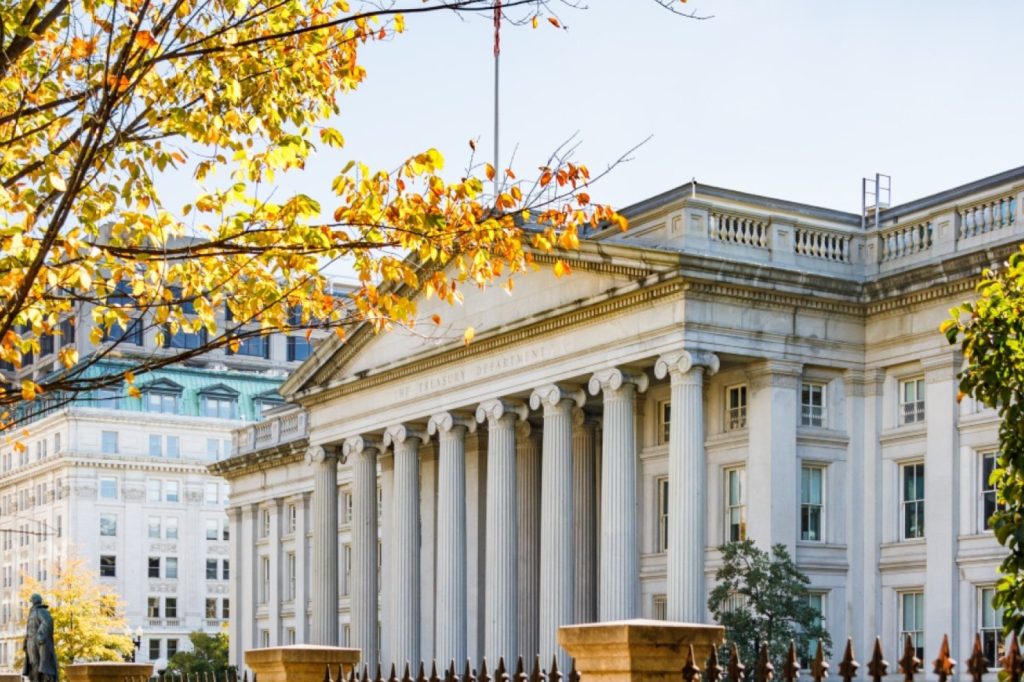
A new report on artificial intelligence from the Office of Financial Research has landed on the desks of policymakers, marking the latest effort by a small Treasury Department unit to spot emerging threats before they destabilize the U.S. financial system. The 2025 AI analysis is part of a continuing series on technology-driven financial risks, following earlier warnings about cryptocurrencies in 2022 and commercial real estate in 2023. The pattern is deliberate: identify the vulnerability, document it thoroughly, and pass the assessment to the Financial Stability Oversight Council, the panel with authority to act.
An Analytical Engine, Not a Regulator
The Office of Financial Research employs about 300 analysts and economists who serve as the analytical backbone for the Financial Stability Oversight Council. Created by the Dodd-Frank Wall Street Reform and Consumer Protection Act of 2010, the OFR operates inside the Treasury Department with a clear mission: identify emerging threats to U.S. financial stability before they become full-blown crises. Despite its critical role, the office does not regulate.
It analyzes. The distinction is fundamental to the structure crafted by lawmakers in the wake of the 2008 financial crisis and the Great Recession that followed.
The 2010 Dodd-Frank law built a new oversight architecture, and the OFR was set up within Treasury to gather and standardize financial data from across the system. Its work is funded through fees paid by large financial institutions. The bureau conducts both applied and long-term research, builds tools to measure risk, and supplies the Financial Stability Oversight Council with the analysis necessary for the council’s designation authority.
Only FSOC can designate non-bank firms as systemically important, a label that brings heightened supervision. The council relies entirely on the OFR’s staff for the data and risk assessments underpinning those decisions.
According to the office’s published reports, its ongoing monitoring covers asset bubbles, cyber threats, and climate-related financial risks. The 2025 artificial intelligence report follows that same template: document the vulnerability and hand the analysis to FSOC, which then decides whether further action is warranted. The office does not sound its own alarm; it provides the factual groundwork for others to sound it.
Political and Operational Context
The OFR emerged directly from the 2008 financial crisis. Lawmakers designed it to be a warning system that spots threats and passes information to those with the power to respond. That design has drawn criticism from some Republican lawmakers who have called the office wasteful and argued that its data-collection powers reach too far.
That criticism has shaped how the bureau operates under different administrations, but its core function remains unchanged: supplying nonpartisan analysis that policymakers and market participants rely on when facing new technology and climate shocks. The Treasury Department, which houses the OFR, manages federal finances and oversees bureaus responsible for financial stability.
Within that framework, the Office of Financial Research functions as a specialist unit dedicated to identifying systemic vulnerabilities. The 2025 AI report is now in the hands of policymakers, but the office’s work continues. Its staff of roughly 300 continues monitoring asset bubbles, cyber threats, and climate-related financial risks.
The next report will likely track how financial firms are adapting to the risks identified in the AI analysis. In the structure created by the Dodd-Frank Act, the OFR remains what it was designed to be: a warning system without a siren.
It spots the threats, documents them, and hands the findings to others who decide what to do. For investors and financial firms watching technological change, the office’s analysis provides an early, nonpartisan reading of the risks ahead.




