
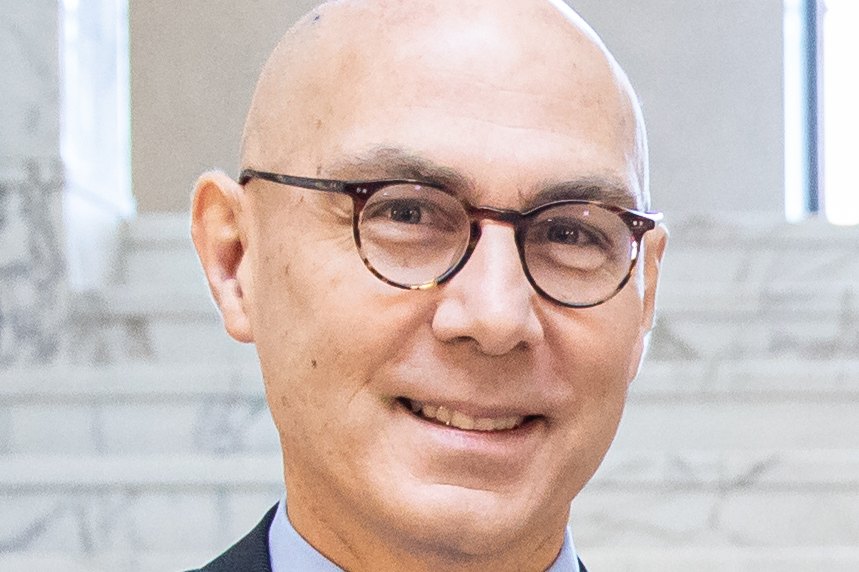
NEW YORK, October 6 — The UN High Commissioner for Human Rights, Volker Türk, expressed concerns about the lack of regulation of artificial intelligence (AI) during a session at the UN Security Council last month. He warned that AI could undermine equality, freedom, privacy, and public debate, and could potentially decide who lives and who dies. AI is already changing the face of warfare and is being built and controlled by a select few without public oversight.
Türk called for mandatory human rights safeguards and due diligence in how AI is developed and used, and urged stronger collaboration on security and independent monitoring within the industry. The New York City Council is also considering 10 bills to regulate AI across the nation’s largest city.
Türk welcomed the creation of the Global Dialogue on AI Governance and the Independent International Scientific Panel on AI, and called for action to reduce risks before unforeseeable consequences arise. In plain terms, this means that as AI continues to develop and impact various aspects of our lives, it’s crucial to ensure that it is regulated and used in a way that respects human rights and promotes safety. Think of it like building a skyscraper — we need a strong foundation to support its structure and prevent potential collapses.
Türk’s concerns echo the need for regulation in the AI sector, which has been growing rapidly without adequate oversight. As we move forward, it will be essential to address these concerns and work towards a future where AI benefits everyone, not just a select few.
Sources
Background and why it matters
The United Nations was created in the aftermath of World War II to replace the League of Nations and prevent future global conflicts. Its founding charter, signed in 1945, set out broad goals including maintaining peace, promoting human rights, and fostering international cooperation. Over the decades, the UN has expanded its role to address emerging global challenges, from health crises to technological change, often serving as a forum for setting norms and standards when national actions fall short.
The United Nations is an international organization composed of member states that works to maintain peace, protect human rights, and promote development through diplomacy and collective action. It provides a platform where countries can discuss shared concerns and agree on common approaches, even when they disagree on other issues.
In the context of artificial intelligence, the UN’s involvement matters because AI development is increasingly shaped by a small number of powerful actors, raising questions about accountability, equity, and global governance. As AI systems influence areas like security, employment, and expression, the UN’s human rights bodies are stepping in to highlight risks that transcend borders. Their role is not to regulate AI directly but to affirm that its use must align with existing international human rights frameworks, urging states and companies to act responsibly before harms become widespread.




