
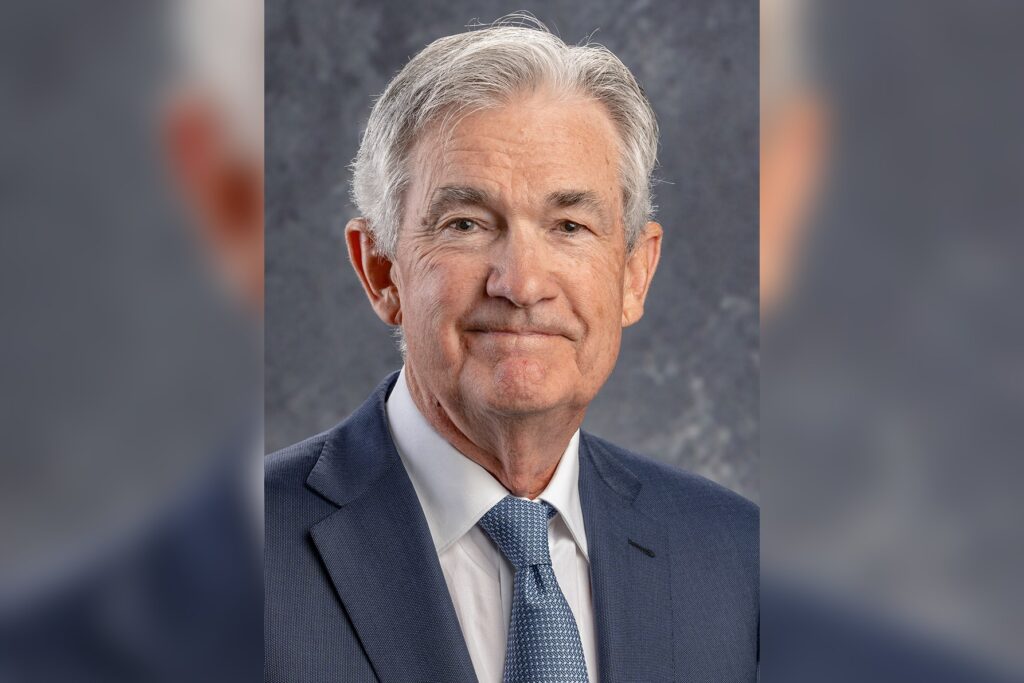
WASHINGTON, July 6 — The man who has steered American monetary policy through inflation is now staring down a new kind of threat. Jerome Powell, Chair of the Federal Reserve since February 2018, has spent years wielding interest rates as his primary weapon. The Fed raised rates to a peak of 5.5% in 2023 before beginning to cut them in 2024.
But on the ground, the financial landscape has shifted. The Fed’s own Financial Stability Report has flagged asset bubbles as a key risk — and the name on everyone’s lips is artificial intelligence.
AI stocks have become the epicenter of concern. The report warns that valuations in this sector have detached from fundamentals, creating the kind of froth that historically precedes a correction. Powell has been clear: monetary policy is not the primary tool for addressing sector-specific bubbles.
That job, he says, belongs to regulators. The Fed chair has emphasized the importance of regulatory measures.
The Treasury Department, in a recent report, echoes that view, recommending closer coordination between the Fed and other agencies on macroprudential policies — the kind of rules designed to catch systemic risk before it breaks something. The scene is one of careful calibration. Powell, a lawyer by training with a JD from Georgetown, has given no indication he intends to wade into sector-specific territory.
The question now is whether the Fed’s traditional toolkit is enough. Powell has served under two presidents — appointed by Donald Trump, reappointed by Joe Biden. His tenure has been defined by the inflation fight, and by a willingness to raise rates aggressively even as critics warned of recession.
The cuts that followed in 2024 offered relief, but the AI bubble represents a different kind of challenge. What to watch next: whether the Treasury’s recommendation for macroprudential coordination gains traction, and whether the Fed’s Financial Stability Report continues to sound the alarm.
For now, Powell is holding his line — monitoring, but not intervening.




