
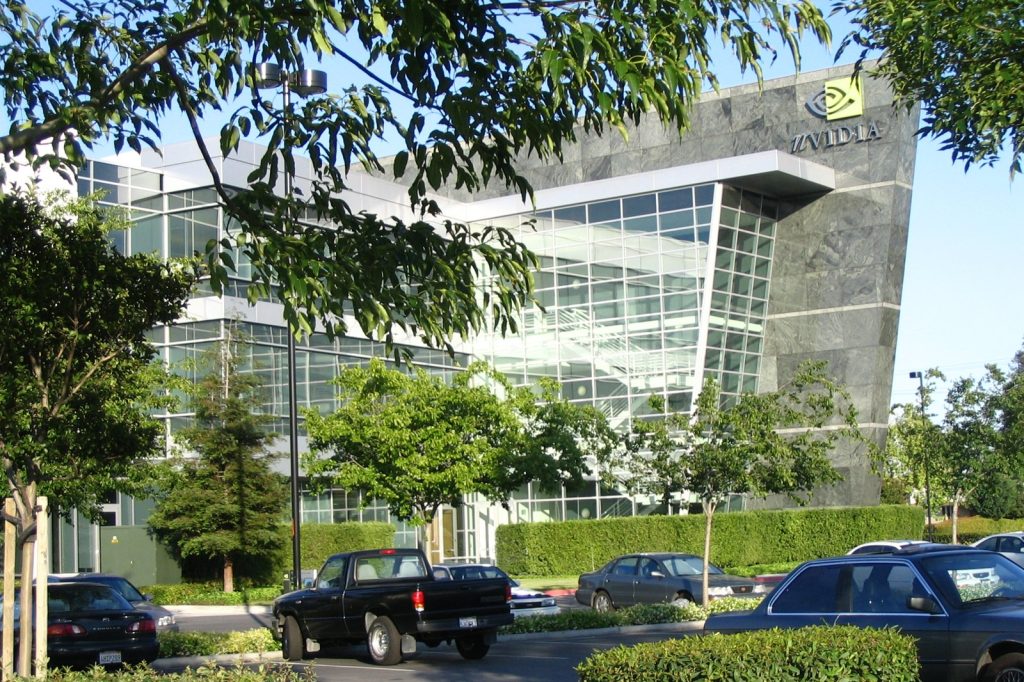
Six months ago, Nvidia paid out Groq’s investors and hired away its founder. That could have been the end of the story. Instead, Groq just closed a $650 million funding round.
The money comes from Disruptive and Infinitum, who led the round. Existing backers also reinvested.
The company announced the close after reports of the raise first surfaced in May. The cash is earmarked for one thing: rebuilding Groq as an AI inference cloud.
The Nvidia deal that changed everything
Nvidia didn’t just hire Groq’s founder and chief executive, Jonathan Ross. It also took president Sunny Madra and a number of engineers. On top of that, Nvidia struck a non-exclusive licensing deal for Groq’s chip technology.
That arrangement was reportedly worth a considerable amount of money. At its GTC event in March, Nvidia launched the Groq 3 LP.
That product launch, combined with the talent raid, left Groq a shell of its former self. Or so it seemed. The $650 million raise is a bet that purpose-built chips still beat GPUs.
Groq’s entire thesis rests on that idea. General-purpose graphics processing units, the kind Nvidia dominates, can run AI workloads.
But Groq argues chips designed specifically for inference — running trained models, not training them — do it faster and cheaper.
Who will spend the money
Groq has named the team responsible for spending the funds. The company did not disclose those names publicly in the report. What is clear is that the team faces a steep climb.
They must rebuild a company that lost its founder, its president, and a chunk of its engineering talent. They must do it in a market where Nvidia holds overwhelming sway.
The inference cloud space is expected to see significant development in the coming years. Potential applications span finance, commerce, transportation, and logistics. Groq wants to be the infrastructure layer for that future.
Impact on Asia
The report frames this as a development with considerable impact on communities across Asia. Families and businesses in the region stand to benefit if Groq’s technology improves healthcare, education, or overall quality of life. That is the promise.
The reality will depend on execution. Groq is not starting from scratch.
It still has its chip technology, even if Nvidia now licenses it. It has $650 million in fresh capital. And it has a clear target: prove that specialized silicon can outperform general-purpose hardware in the inference market.
Nvidia’s move to license Groq’s technology while hiring its founder looks like a hedge. It gets the talent and the IP, but it also keeps Groq alive as a potential competitor.
The licensing deal gives Nvidia access to Groq’s designs. The raise gives Groq a chance to build something new on top of those designs. The next few months will show whether that chance is enough.
Groq has the money. It has a plan. It does not have its founder.
That is the trade-off the company accepted when Nvidia came calling.
Sources
- AI chipmaker Groq confirms $650M raise, re-staffs after Nvidia's $20 …
- Groq Raises $650M to Scale Its AI Inference Cloud Business




