LONDON, July 14 — The artificial intelligence industry, for all its talk of transformative potential, remains a business first. And the numbers that underpin that business are becoming very large indeed. According to data from Statista, the global AI market was valued at $196 billion in 2024.
The United States accounted for roughly $150 billion of that total, a concentration that reflects where the major players are headquartered and where the capital has flowed. The detail that matters here is the sheer scale of the gap: one country, three-quarters of the market.
Under the hood, the revenue is coming from three primary streams: software licensing, cloud computing services, and hardware sales. The technical reality is that none of these is new in isolation, but the AI boom has supercharged all three simultaneously. Take the companies themselves.
OpenAI, founded in 2015, reported revenue of $3.7 billion in 2024. That is a remarkable figure for a company that, not so long ago, was a non-profit research lab.
Alphabet, Google’s parent company, generated $307 billion in total revenue in 2023, with a significant portion of that coming from AI-driven services. As ever, the search and advertising behemoth has been quietly threading AI into its core products for years. Then there is Nvidia.
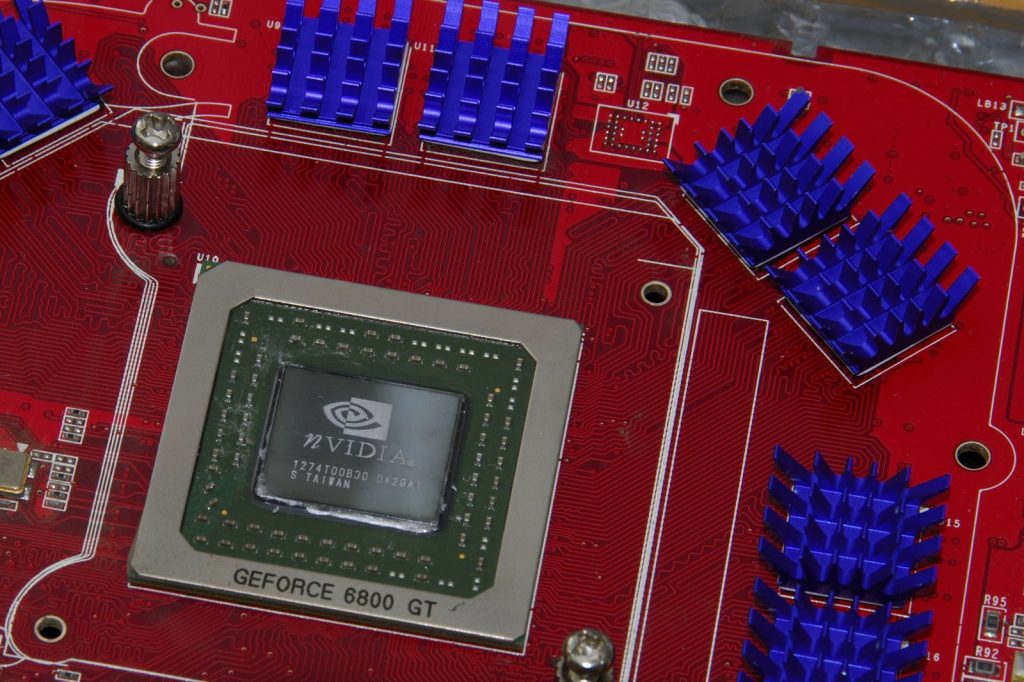
The chipmaker reported $60.9 billion in revenue for fiscal year 2024, largely from AI chip sales. This is the hardware story that has driven much of the industry’s recent growth. Without Nvidia’s graphics processing units, much of the large-scale model training that powers modern AI simply would not happen.
The industry’s rapid growth has led to a concentration of wealth among a small number of executives and shareholders. That has fuelled public debate about equitable distribution.
It is a familiar pattern in technology — a boom creates enormous value, and the question of who gets to keep it becomes political.
The revenue breakdown
Software licensing remains the bread and butter for many AI firms. Companies pay for access to models, APIs, and enterprise tools. Cloud computing services, meanwhile, provide the infrastructure to run those models at scale.
Hardware sales, dominated by Nvidia, complete the picture. The three streams are interdependent: better hardware enables larger models, which require more cloud capacity, which generates more software licensing revenue.
OpenAI’s $3.7 billion in 2024 revenue came primarily from its subscription services and API access. Alphabet’s $307 billion in 2023 total revenue, while not broken out by AI contribution, includes substantial AI-driven advertising and cloud revenue. Nvidia’s $60.9 billion in fiscal 2024 was a direct result of the AI chip demand that has made it one of the most valuable companies in the world.
The wealth question
The concentration of wealth has not gone unnoticed. As the industry grows, the gap between the small number of executives and shareholders who own the companies and the broader workforce that builds and operates the systems has become a subject of political debate. The numbers speak for themselves: a $196 billion global market, with the lion’s share in the United States, and the bulk of that captured by a handful of firms.
What to watch next is whether the regulatory environment catches up with the economic reality. The technical reality is that the industry is still in its early stages.
The numbers will almost certainly get larger. The question is whether the distribution of the proceeds will change.