
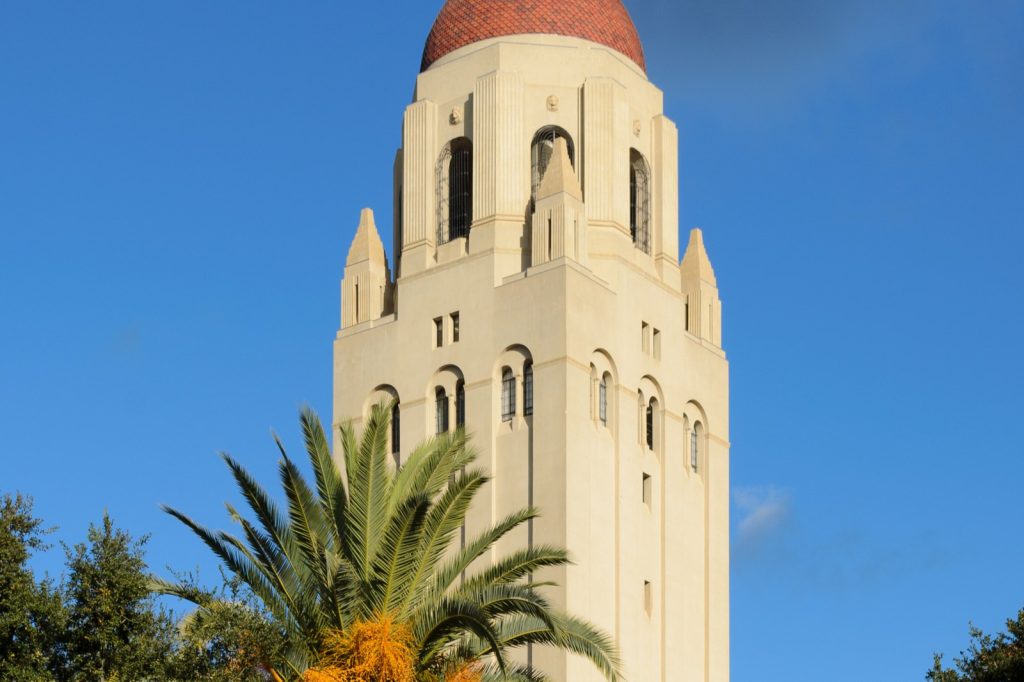
STANFORD, July 15 — A five-year study launched by Stanford University in 2024 is now beginning to yield its first data on how artificial-intelligence relationships are reshaping adolescent development, as schools and regulators scramble to keep pace with a technology that is rapidly embedding itself into teenage life. The research led by Dr. Emily B. Falk, a professor of communication and psychology at Stanford, represents an ambitious academic attempt to quantify what happens when teenagers form deep emotional bonds with AI chatbots.
The longitudinal study tracks 2,000 adolescents aged 12 to 17, measuring shifts in social skills, empathy, and mental health outcomes over the five-year period. Preliminary findings are expected in 2026, and the broader stakes for educators and parents are already coming into focus.
The calculus for school districts has shifted dramatically. In September 2024, the Los Angeles Unified School District — the second-largest in the United States — implemented a curriculum specifically teaching students about the risks of AI relationships. California, Texas, and New York are among the states that have introduced broader digital literacy programs in 2024 that include modules on AI companionship.
What this signals is a growing recognition that the technology is not a distant hypothetical. The market for AI companionship is projected to reach $2.5 billion by 2028, according to Grand View Research, and the private sector is already responding to public pressure.
Companies including Replika and Character.AI have announced plans to introduce age verification features by the end of 2024. The American Psychological Association issued a policy statement in March 2024 recommending that parents monitor their children’s use of AI chatbots and actively encourage real-world social interactions. The nonprofit Common Sense Media released a guide in 2024 for parents on how to discuss AI relationships with their children, reflecting the demand for practical guidance in a space where the science is still catching up.
Researchers at the University of Cambridge are also examining the other side of the ledger — the potential therapeutic benefits of AI chatbots for socially anxious teens. A pilot study published in the Journal of Adolescent Health in 2023 showed mixed results, suggesting the technology is neither a panacea nor a uniform danger. The Stanford study, with its large sample and extended timeline, is positioned to provide the most definitive evidence yet.
For policymakers and families alike, the data cannot come soon enough. Consult your doctor for medical advice.




