
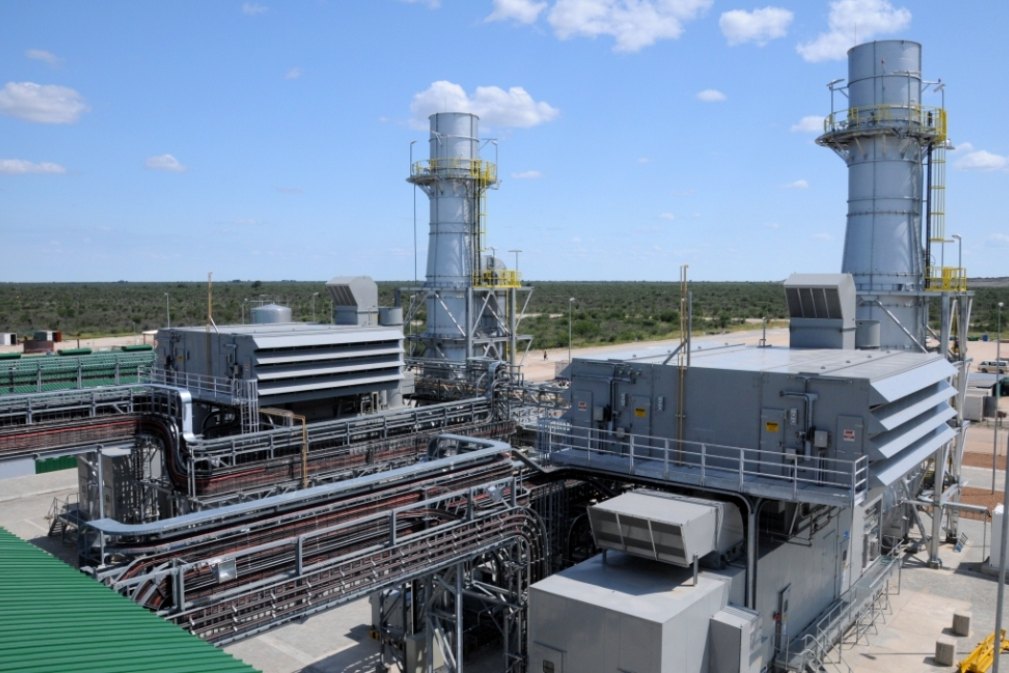
DESOTO COUNTY, MISSISSIPPI, July 15 — A report from the Environmental Integrity Project has raised serious concerns about a massive data center operating without the required air pollution permits, potentially exposing nearby communities to harmful emissions. The Colossus 2 facility, which began operations in 2022, installed 59 natural gas turbines without obtaining permits from the Mississippi Department of Environmental Quality, according to the EIP report released October 10, 2023.
The unpermitted turbines could release up to 2,500 tons of nitrogen oxides and 1,200 tons of carbon monoxide each year, the report alleges. Both pollutants are linked to respiratory illnesses, including asthma and chronic obstructive pulmonary disease.
For the communities surrounding the facility, which are predominantly Black and low-income, these emissions add to an already heavy health burden. Data from the Mississippi State Department of Health shows the lung cancer mortality rate in DeSoto County stands at 45.2 per 100,000 people, compared to the national average of 38.5 per 100,000. The EIP has called on the U.S. Environmental Protection Agency to investigate and enforce the Clean Air Act.
Colossus Data Centers, a subsidiary of CIM Group, has not publicly commented on the allegations.
What the report found
The EIP report focuses specifically on Colossus 2, a data center located in DeSoto County. The facility is part of a growing trend of large-scale data centers in the region, which also includes facilities by Amazon Web Services and Google. These centers require enormous amounts of electricity, often generated on-site by natural gas turbines.
The report alleges that Colossus installed 59 such turbines without first obtaining the necessary air pollution permits from MDEQ. Without permits, the facility may have bypassed emissions limits and monitoring requirements designed to protect public health.
The EIP, a nonprofit watchdog organization, argues this violates the Clean Air Act. The pollutants in question, nitrogen oxides and carbon monoxide, are known to cause or worsen respiratory conditions. NOx contributes to the formation of ground-level ozone and fine particulate matter, both of which can trigger asthma attacks and exacerbate COPD.
CO can reduce oxygen delivery to the body’s organs and tissues. For families across the region, the implications are direct.
The report notes that the surrounding communities already suffer from elevated rates of lung disease. The lung cancer mortality rate in DeSoto County is significantly higher than the national average, a statistic that underscores the potential impact of additional pollution sources.
A pattern of concern
Colossus 2 is not operating in isolation. The DeSoto County area has become a hub for data centers, drawn by available land, tax incentives, and access to power. Amazon Web Services and Google have also established facilities in the region.
While these centers power the digital economy, they also bring environmental and health concerns that disproportionately affect low-income communities and communities of color. The EIP’s call for an EPA investigation reflects a broader push for accountability.
The Clean Air Act requires facilities that emit significant amounts of pollutants to obtain permits, undergo public review, and install pollution control equipment. Allegations that Colossus bypassed these requirements raise questions about regulatory oversight in Mississippi. Colossus Data Centers has not responded to the allegations.
The company, owned by CIM Group, has not issued a public statement since the report’s release. It remains unclear whether the turbines are still operating without permits or if MDEQ has taken any enforcement action.
For residents of DeSoto County, the stakes are personal. The region’s lung cancer mortality rate, higher than the national average, suggests existing vulnerabilities. Adding unpermitted emissions from 59 turbines could further strain community health, particularly for those with asthma or COPD.
Closer to home, this story reflects a broader pattern seen across the United States, where industrial facilities are sited in or near communities with less political and economic power to resist. The EIP report is a reminder that the digital infrastructure many rely on daily has physical consequences for the people who live near it. The EPA has not announced whether it will launch an investigation.
The Mississippi Department of Environmental Quality has not commented publicly on the report. For now, the Colossus 2 data center continues to operate, and the communities around it continue to breathe the air. Consult your doctor for medical advice.




