
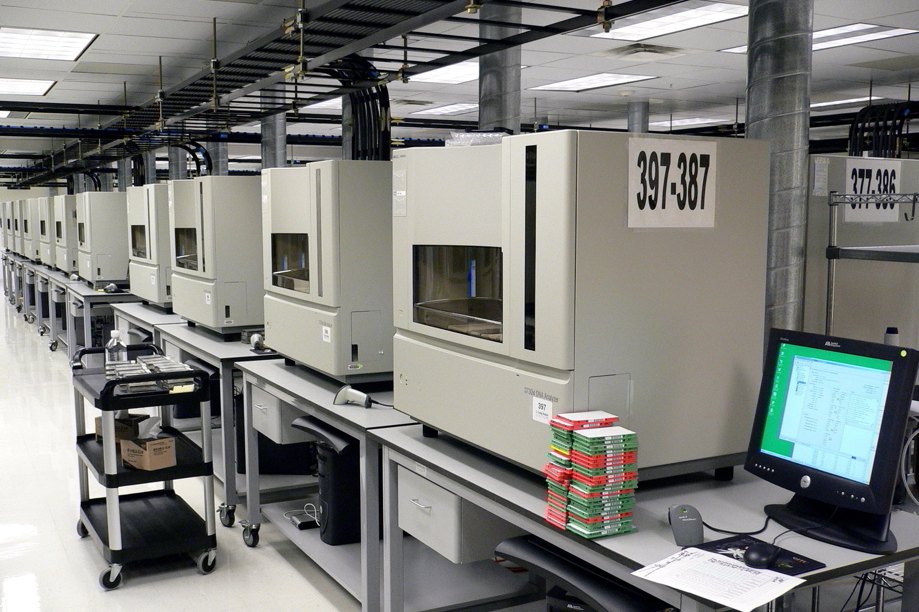
BANGALORE, July 7 — A patented platform from Strand Life Sciences integrates high-quality genome sequencing, rigorous quality control, biologically informed methylation and fragmentomic feature extraction, and machine learning to detect cancer and predict its tissue-of-origin from a blood sample, according to the company’s filings. The system relies on cell-free DNA, or cfDNA—fragments of genetic material shed by cells into the bloodstream. The innovation lies in how the platform captures widespread methylation pattern changes across the genome with minimal loss or failure.
Methylation changes are a hallmark of cancer. The source shows that Strand Life Sciences has built a workflow that captures these widespread pattern changes with minimal loss or failure.
That reliability is critical for sensitive early-stage diagnosis, where the signal from a tumor is faint and easily drowned out by background noise from healthy cells. The platform begins with high-quality genome sequencing of cfDNA. From there, it applies rigorous quality control.
The biological feature extraction then targets both methylation patterns—chemical tags that alter gene expression—and fragmentomic features, which analyze the size and breakage patterns of DNA fragments. A machine learning component then distinguishes cancerous from non-cancerous signals and identifies the tissue of origin.
From Invasive Biopsy to Blood Draw
The use of cell-free DNA analysis allows for a simple blood test, avoiding invasive procedures such as tissue biopsies. On the timeline of cancer diagnostics, this represents a shift toward liquid biopsy approaches that are easier to repeat and less risky for patients. The source notes that the ability to predict the tissue of origin from a blood sample has been a key innovation.
The machine learning component is the engine that makes the distinction possible. It is trained to recognize the composite signal of methylation changes and fragment size distributions that differentiate a cancer patient’s blood from a healthy individual’s.
The system also learns which patterns correspond to specific tumor types—enabling the tissue-of-origin prediction.
Technical Architecture and Clinical Implications
A key innovation, according to the source, is the capture of methylation changes across the genome with minimal loss or failure. Methylation analysis has historically been technically challenging because the signal is distributed across many regions of the genome, and degradation or sample loss can wipe out the data. Strand’s platform appears to have solved that bottleneck.
The fragmentomic feature extraction adds another layer. Cancer cells shed DNA in fragments of different lengths and breakage patterns compared to healthy cells.
By combining methylation and fragmentomic data, the machine learning model has more information to work with, increasing the sensitivity of early-stage detection. For clinicians, the promise is a blood test that could catch cancers earlier, when treatment is more effective. For patients, it means no invasive procedures.
The technology is still in the patented stage, and the company has not yet released large-scale clinical trial results. But the architecture is now on the record.
What to watch next: whether Strand Life Sciences moves from the patent filing to clinical validation studies, and how the platform performs against existing liquid biopsy tests from competitors. The field of cfDNA-based cancer detection is crowded, but the combination of methylation and fragmentomic analysis with machine learning gives Strand a distinct technical claim.
{“@context”: “https://schema.org”, “@type”: “NewsArticle”, “headline”: “Platform Merges Genome, Methylation, and Machine Learning”, “description”: “BANGALORE, July 7 — A patented platform from Strand Life Sciences integrates high-quality genome sequencing, rigorous quality control, biologically informed methylation and fragmentomic feature extraction,…”, “datePublished”: “2026-07-07T09:30:00+00:00”, “author”: {“@type”: “Person”, “name”: “Ariel Antonio”}, “publisher”: {“@type”: “Organization”, “name”: “InfoPulse Today”, “url”: “https://newsfeed.infopulsetoday.com/”}}




