
NATO Shifts AI Focus to Eastern Europe as Geopolitical Tensions Rise
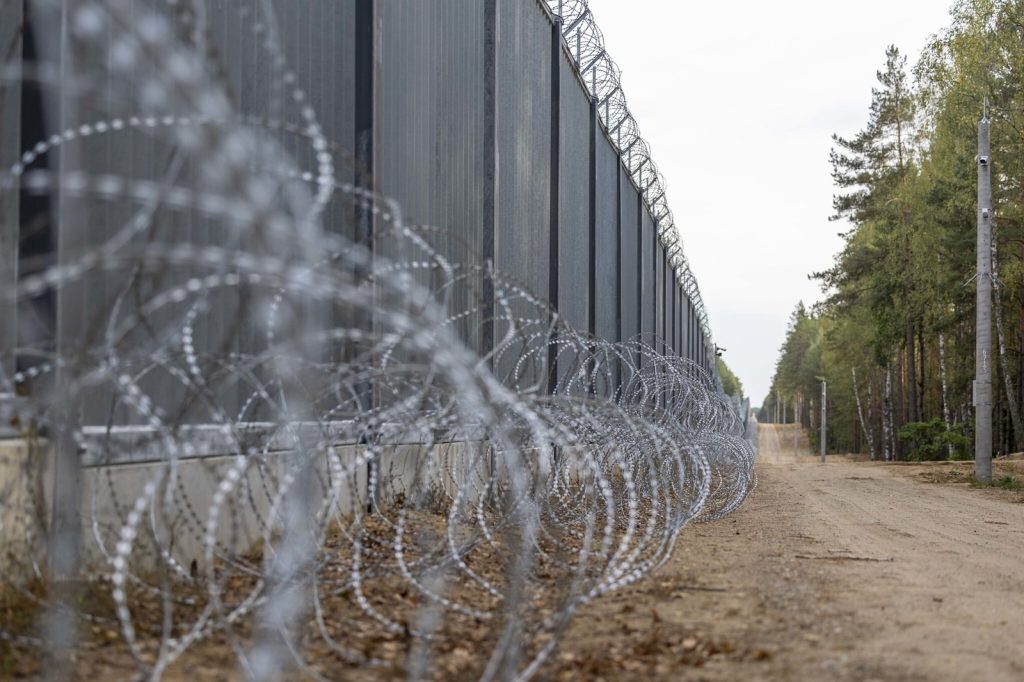
Warsaw, August 21 — NATO allies are reallocating artificial intelligence resources to secure Poland’s eastern border, marking a strategic pivot in how the alliance views AI’s role in defense. The move, reported by TVP World, sees the United States, United Kingdom, and France redirecting their AI development efforts toward border security projects in Poland. This is not just a technical adjustment; it’s a geopolitical signal that AI is now a cornerstone of collective security within the NATO framework.
Historically, AI has been deployed for national projects — optimizing logistics, enhancing cybersecurity, or streamlining healthcare. But this initiative changes the narrative.
Instead of siloed domestic applications, AI is now being harnessed as a tool for real-time geopolitical response. NATO troops are assisting in fortifying Poland’s eastern flank, a region that has become a focal point amid rising security concerns. The shift underscores a growing recognition that AI’s predictive and analytical capabilities can be weaponized for collective defense, not just individual state interests.
The Scale of the Shift
What’s striking is the scale of this realignment. The U.S., U.K., and France are not merely contributing spare resources; they are prioritizing AI development within the NATO context. This implies a reallocation of budgets, personnel, and research priorities that could reshape how member states approach both security and technology.
TVP World’s reporting emphasizes that this is not a one-off project. The initiative is framed as a long-term strategy to integrate AI into NATO’s defense architecture.
By focusing on Poland’s border, the alliance is addressing immediate threats while testing how AI can be deployed in high-stakes, real-world scenarios. This could set a precedent for future collaborations, where AI is not just a tool for espionage or attack but for deterrence and rapid response. The decision also reflects a broader trend in global security.
As traditional military assets face scrutiny — from cost overruns to ethical concerns — AI offers a more agile, scalable alternative. For Poland, this means enhanced surveillance, faster threat detection, and improved coordination with allied forces.
For NATO, it’s a way to pool resources and expertise, turning AI into a shared defense asset rather than a competitive advantage.
Geopolitical Implications
This move has clear geopolitical undertones. Poland’s eastern border is a sensitive area, given its proximity to Russia and the ongoing tensions in Eastern Europe. By deploying AI to strengthen this region, NATO is signaling that it views AI as a critical component of its deterrence strategy.
The alliance is not just preparing for potential conflicts; it’s using technology to preempt them. The involvement of the U.S., U.K., and France — three of NATO’s most technologically advanced members — highlights the transatlantic dimension of this shift.
It also raises questions about how other allies might respond. Will they follow suit, or will this create a divide between those who embrace AI for defense and those who remain cautious? The source does not address this, but the precedent is now set.
Critics might argue that this is an overreach, that AI should not be militarized. But the reality is that technology is already intertwined with security.
From drone surveillance to predictive analytics, AI is no longer a passive tool. This initiative is a case study in how AI is being repurposed to address tangible threats, blurring the lines between civilian and military applications.
What’s Next?
Watch this space. The next phase of this story could involve details about specific AI systems being deployed, the extent of NATO’s investment, or how other member states are reacting. There may also be discussions about the ethical implications — how AI is used in border security, the risk of over-reliance on algorithms, and the potential for misuse.
For now, the key takeaway is that AI is no longer a peripheral technology in global security. It’s a strategic asset, and NATO is betting heavily on its capabilities.
As the alliance fortifies Poland’s borders, it’s also reshaping the future of how technology will be used in international conflict and cooperation. The shift is not just about Poland — it’s about redefining the role of AI in an era of complex, interconnected threats.
Sources
- Poland Deploys AI-Powered Intelligent Border System Along …
- AI Is Now Watching NATO’s Border With Belarus—And Poland Is …




