
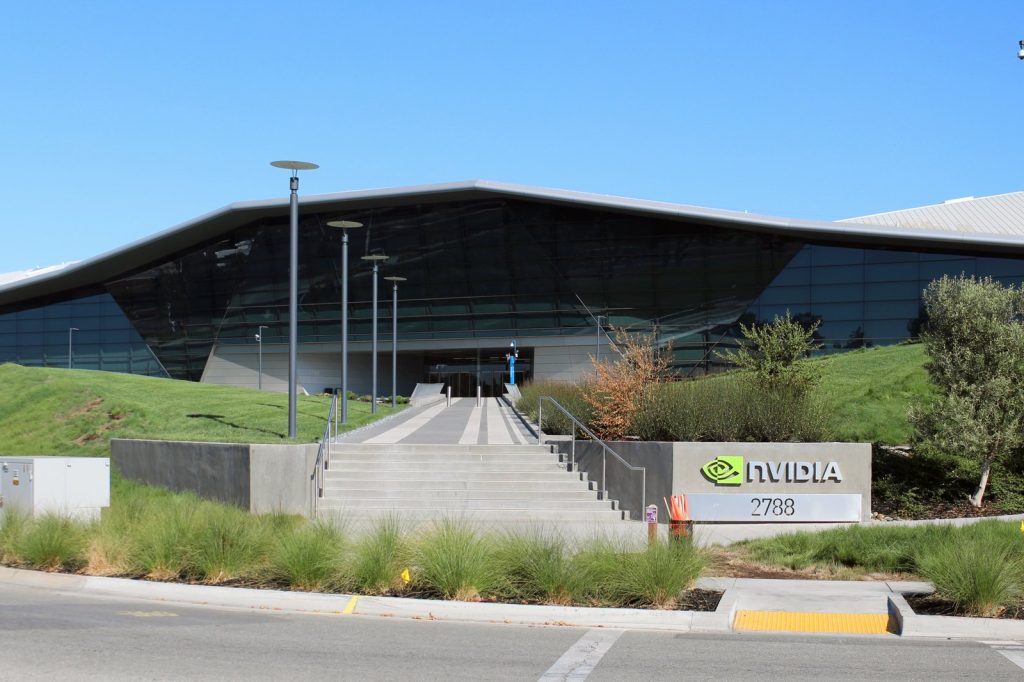
SANTA CLARA, August 20 — Nvidia’s GeForce RTX 5090, the flagship consumer graphics card the company launched in January 2025, has become a sought-after item for smugglers, according to reporting by Reuters on Wednesday. The card is powered by Nvidia’s Blackwell architecture and is marketed primarily to gamers and content creators. According to customs officials and industry analysts cited by Reuters, it is now being diverted into illicit channels alongside traditional contraband such as cigarettes.
The shift follows tightened US export controls on advanced semiconductors, which have restricted the legal sale of high-performance chips to certain countries, particularly China.
Why a gaming card travels the contraband routes
The RTX 5090’s powerful GPU makes it valuable for artificial intelligence workloads. Its relatively compact size and high value-to-weight ratio make it attractive for smuggling operations, according to the account Reuters published. The card retails for around US$2,000, but in restricted markets it can fetch several times that amount on the black market.
Washington has been tightening the rules for years. The US Commerce Department’s Bureau of Industry and Security has progressively expanded export restrictions on advanced computing chips since October 2022, with updates in October 2023 and December 2024 that further limited the performance thresholds for chips that can be exported without a license.
Nvidia, based in Santa Clara, California, has stated that it complies with all applicable export regulations. The company’s CEO, Jensen Huang, has previously said that the restrictions have cost the company billions in lost revenue. Nvidia has not commented specifically on the smuggling reports.
A problem Washington has met before
The RTX 5090’s predecessor, the RTX 4090, was also subject to export restrictions after its launch in October 2022. Nvidia has since released China-specific versions of some of its chips that comply with export rules, but these are less powerful and have not fully satisfied demand. Enforcement has extended beyond the hardware itself.
The US Department of Justice has brought cases against individuals and companies for illegally exporting chips to China. In 2024, the US government also imposed restrictions on the export of AI chips to more than 40 countries to prevent them from being diverted to China.
The phenomenon highlights the challenges of enforcing export controls on dual-use technologies that have legitimate consumer applications. The US government has been urging allies to adopt similar restrictions, and countries such as Japan and the Netherlands have implemented controls on semiconductor manufacturing equipment. The smuggling of high-end graphics cards is part of a broader trend of illicit trade in advanced technology, including semiconductors and AI hardware.
For now, the RTX 5090 remains available for purchase in the United States and other markets where export restrictions do not apply, though supply has been limited since its launch, leading to inflated prices from scalpers. The card’s MSRP is US$1,999, but it has been selling for over US$2,500 on secondary markets.
What to watch next is whether the enforcement net widens further. The BIS has revised its performance thresholds repeatedly since 2022, and each revision has pushed more hardware into the restricted category. Whether allied customs agencies begin reporting seizures in a systematic way — and whether Nvidia’s compliant China-specific lineup can close the demand gap — will determine how much of this trade stays underground.




