
WASHINGTON, July 7 — A surge in copper thefts targeting AI data center construction sites is emerging as a costly security gap in America’s digital infrastructure buildout, with new data revealing a 20 percent increase in incidents from 2022 to 2023. The National Insurance Crime Bureau documented the rise, and the numbers point to a strategic vulnerability. Each theft typically delays construction by two to four weeks, and losses at individual sites routinely exceed $1 million.
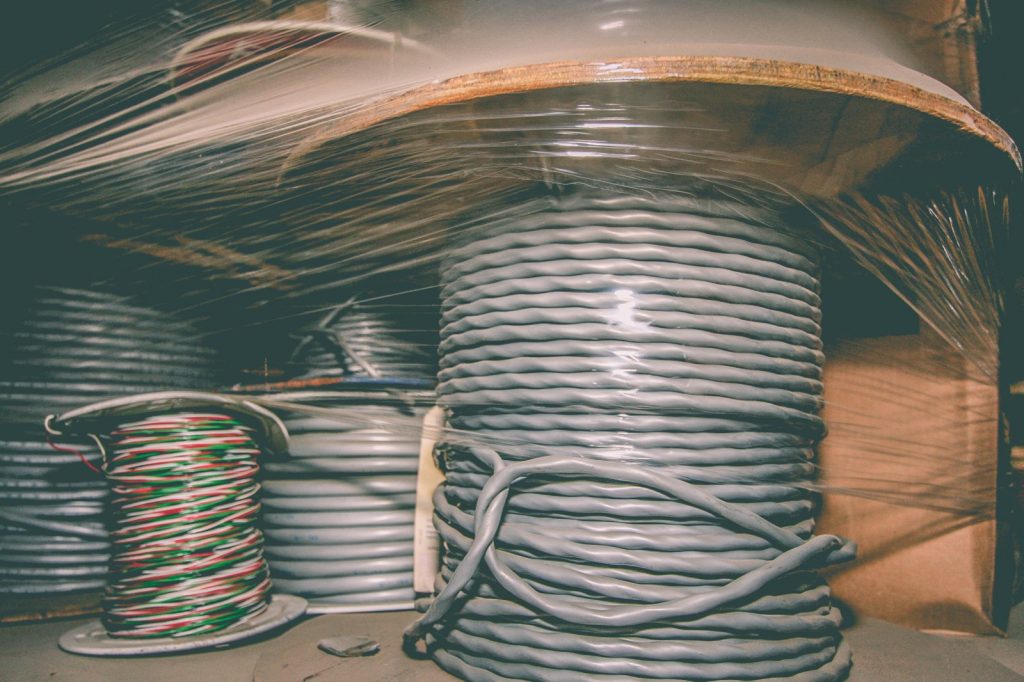
The stolen material is not petty scrap: thieves are making off with copper wiring, transformers, and grounding cables. One case in January 2024 put the problem in stark relief.
In Loudoun County, Virginia — a region known as Data Center Alley — thieves lifted copper worth $500,000 from a single construction site.
The calculus of vulnerability
The broader stakes here are straightforward. The Uptime Institute reported in 2023 that only 30 percent of data center construction sites maintain 24/7 surveillance. That leaves seven out of ten sites exposed, and the criminals have taken notice.
The FBI has linked these thefts to organized crime rings, which process the metal through scrap yards for cash. What this signals is a structural incentive problem.
The London Metal Exchange recorded copper averaging $3.85 per pound in 2023, up from $3.50 the year before. That price increase, combined with patchy security, alters the risk-reward calculus for criminal networks. The NICB estimates that copper theft now costs U.S. businesses over $1 billion annually across all industries, and data centers represent a growing segment of that toll.
Strategically, the timing matters. The AI boom has driven a frantic pace of data center construction.
These facilities require enormous quantities of copper for power distribution and grounding. A two-to-four-week delay at a single site cascades through supply chains and investor timelines. For a sector racing to deploy compute capacity, these are not minor frictions.
Organized playbook
The FBI’s identification of organized crime involvement changes the threat profile. This is not opportunistic theft by individuals. The pattern suggests coordinated operations: reconnaissance of site security, rapid extraction of high-value materials, and established channels to move the metal through scrap markets.
The cash-for-copper pipeline is hard to disrupt because scrap yards often lack the incentives or resources to verify provenance. For data center operators, the math is brutal.
A $500,000 loss in materials can trigger weeks of project standstill, as replacement copper must be sourced and re-installed. The delays compound. In an industry where time-to-market for new AI clusters is measured in months, every lost week carries strategic cost.
What to watch next is whether the security gap closes. The 30 percent surveillance figure from the Uptime Institute suggests the industry has room to adapt.
But the price of copper, the sophistication of the theft rings, and the sheer volume of construction underway all point to continued pressure. For now, the thieves hold the advantage on the geopolitical chessboard of infrastructure security.




